49 years later, the fight for answers over Steve Biko’s death continues


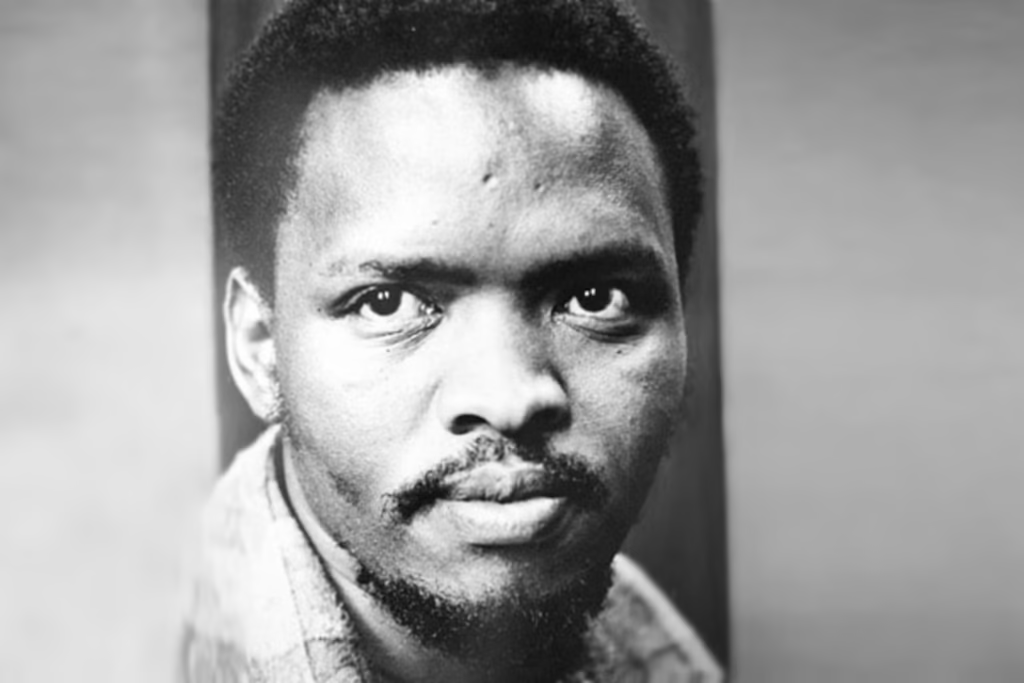
GQEBERHA — The reopened inquest into the death of anti apartheid activist Steve Biko has been postponed after his family asked for more time to secure independent legal representation, delaying proceedings intended to revisit one of the most consequential deaths of the apartheid era almost 49 years later.

The Eastern Cape High Court sitting in Gqeberha granted the postponement on Wednesday after the Biko family raised concerns about proceeding without lawyers of their own choosing.
The inquest is now expected to resume on 8 December.
Biko, the founder of the Black Consciousness Movement and one of apartheid’s most influential opponents, died in police custody on 12 September 1977 at the age of 30.
He had been arrested near Makhanda, then Grahamstown, and detained in Gqeberha, then Port Elizabeth. Biko suffered severe brain injuries while in custody before being transported, naked and shackled, more than 1 000 kilometres to Pretoria, where he died.
An apartheid era inquest in 1977 found that nobody was criminally responsible for his death, despite evidence that he had sustained serious injuries while being held by security police.
The Truth and Reconciliation Commission later heard evidence relating to his death, but the police officers who applied for amnesty were refused after the commission found that they had failed to make full disclosure.
The National Prosecuting Authority announced the reopening of the inquest this year, saying new proceedings would investigate whether Biko’s death resulted from acts or omissions amounting to an offence and whether anyone could still be held accountable.
That makes the case considerably more significant than a historical reconsideration of events already known.
Nearly five decades have passed since Biko died, witnesses and potential accused persons have aged or died, and evidence that might have been available immediately after his death has inevitably become more difficult to test.
For the Biko family, however, the reopening provides another opportunity for a court to examine a finding reached under the apartheid system that no person was responsible for his death.
The postponement means that process will take several months longer, but the family’s request for independent representation reflects the importance of how the new inquest is conducted and whose interests are represented when the evidence is finally tested.
When proceedings resume in December, the court will return to a question that has remained unresolved for almost half a century: whether the South African justice system can establish legal responsibility for what happened to Steve Biko in police custody.
Anyone with additional information can contact the press desk at press@townpress.co.za.