


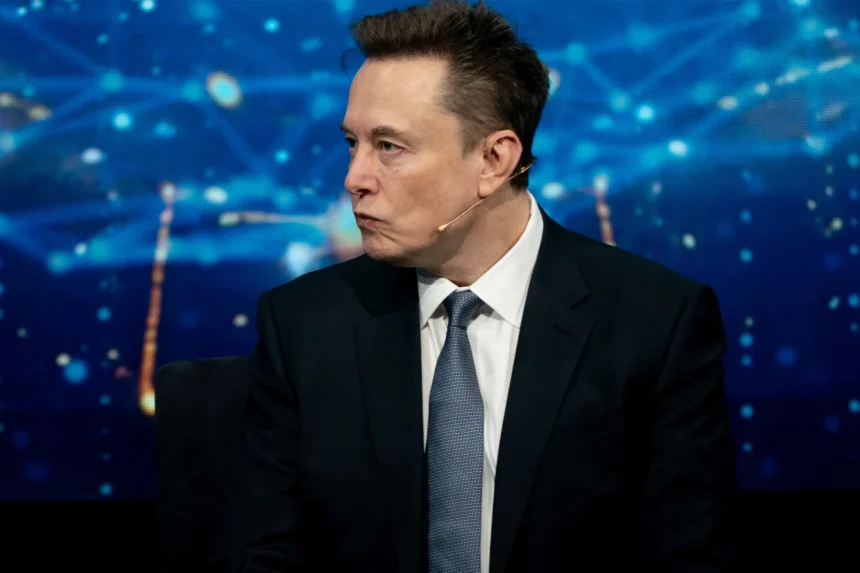
South African born billionaire Elon Musk has again alleged that his satellite internet service, Starlink, is unable to operate in South Africa due to racial requirements.
In posts shared on X, Musk claimed that authorities had blocked the service because he is not black and suggested that officials had offered ways to bypass regulations by misrepresenting ownership. However, he did not provide evidence to support these claims.
Government Rejects Claims
The South African government has dismissed Musk’s allegations. Presidency spokesperson Vincent Magwenya responded by urging Musk to explore opportunities in other global markets rather than criticising local policy.
Regulations At The Centre Of Dispute
At the heart of the disagreement is the country’s telecoms licensing framework under the Electronic Communications Act. The law requires companies to meet transformation criteria, including at least 30 percent ownership by historically disadvantaged groups.
SpaceX, which owns Starlink, has not applied for a local licence under these conditions, arguing that the ownership requirement does not align with its global business model.
Missed Opportunity For Connectivity
Despite the standoff, many see Starlink as a potential solution to improve internet access in rural and underserved areas where traditional providers face challenges in delivering consistent connectivity.












Facebook Comments