


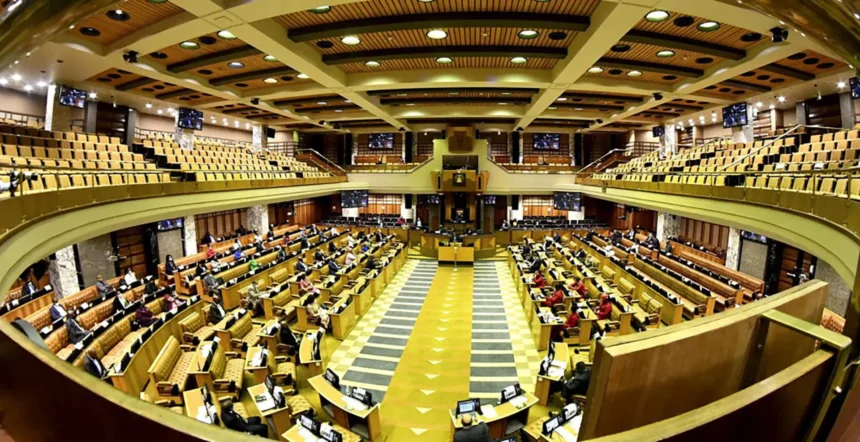
More than ten years after calls were first made for its creation, Parliament has established a dedicated committee to monitor the budget and administration of the Presidency. The move represents a notable development in parliamentary oversight and closes a long criticised gap in South Africa’s system of democratic accountability.
For years, the Presidency was the only government portfolio that did not have a committee responsible for direct parliamentary scrutiny. Opposition parties have repeatedly pushed for such a structure, particularly following the Nkandla controversy during the Fifth Parliament, which highlighted weaknesses in oversight mechanisms.
The establishment of the committee also follows recommendations made by the Commission of Inquiry into State Capture, chaired by Chief Justice Raymond Zondo. Although the commission proposed the creation of the oversight body, progress toward implementing the recommendation was slow throughout the Sixth Administration.
Momentum for the committee was driven by several political figures over the years. Former IFP Chief Whip Narend Singh initially introduced the motion calling for its formation, while DA Whip George Michalakis renewed the push at the start of the Seventh Administration.
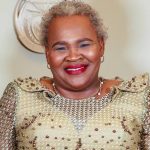
In line with Parliament’s current balance of power, the African National Congress secured the chairperson position. Veteran ANC Deputy Chief Whip Doris Mpapane was elected to lead the committee after the party used its four-member majority, supported by a vote from the Patriotic Alliance.
Mpapane brings relevant experience to the role. During the previous Parliament, she chaired the Rules Sub-Committee responsible for developing the operational framework that would guide the new committee’s work.
Her election came after she defeated ActionSA parliamentary leader Athol Trollip in the vote. Trollip had been nominated by the MK Party’s Mmabatho Mokoena-Zondi and received backing from EFF leader Julius Malema and UAT leader Wonder Mahlatsi.
The Democratic Alliance also put forward a candidate. Deputy Chief Whip Baxolile Nodada secured only his party’s two votes, repeating the outcome of a similar vote the previous day when Michalakis had been nominated.
Despite the divisions reflected in the voting process, Mpapane assured members that she intends to lead the committee in a fair and collaborative manner, emphasising the importance of cooperation among parties.
Although the committee’s immediate priorities have yet to be announced, its creation marks a significant step toward strengthening parliamentary oversight of the executive, particularly the Presidency.











Facebook Comments