


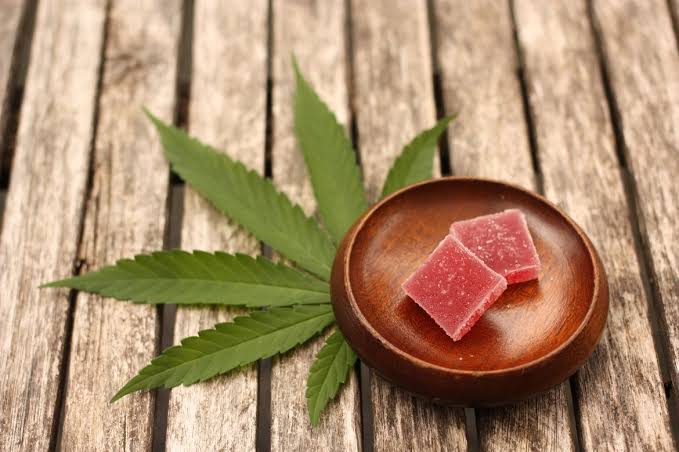
After years of progress in the fight for cannabis decriminalisation in South Africa, activists and industry stakeholders are now grappling with a surprising policy reversal.
Despite the Constitutional Court’s landmark ruling that legalised private cannabis use, the Department of Health has recently banned the production and sale of cannabis and hemp-derived food products, a move that many say undermines the country’s potential in the growing cannabis economy.
Legal experts and industry leaders have criticised the decision, arguing that it contradicts the regulatory direction South Africa had been heading toward.
Shaad Vayej, attorney and chairman of Openfarms, warned that the new ban not only disrupts industry growth but also places South Africa out of step with international trends, where hemp-based food products are increasingly recognised for their nutritional and economic value.
The ban follows a series of regulatory milestones that previously encouraged the growth of the hemp industry:
- 2019: A government notice temporarily exempted certain CBD products from the Medicines and Related Substances Act, permitting their sale under strict dosage and THC content limits.
- 2020: Amendments to the Medicines Act reclassified CBD as a Schedule 4 substance, but allowed low-THC industrial hemp derivatives like hemp seed oil to be used in food products without heavy restrictions.
- 2024: The Cannabis for Private Purposes Act excluded seeds and seedlings from the definition of cannabis, effectively allowing the commercial cultivation and sale of hemp seeds — paving the way for a legal hemp-based food market.
Critics argue that the new restrictions ignore the clear distinctions previously made between psychoactive and non-psychoactive cannabis products. What was once considered legal is now criminalised, causing uncertainty for businesses and consumers alike.
The economic fallout could be significant. Hundreds of farmers had received permits from the Department of Agriculture to grow hemp, many of whom focused on producing hemp seeds, oil, and seed cake for food.
The new policy now jeopardises their operations, with stakeholders warning that it could stall agricultural innovation, disrupt livelihoods, and hamper the industry’s growth.
Instead of being a considered public health intervention, some see the move as a reactionary overreach. Critics argue that it ignores available data and economic realities, threatening a promising industry that has long been hailed as a potential game-changer for rural development and job creation.
Longtime cannabis decriminalisation advocate Myrtle Clarke expressed deep concern at the unexpected shift. Like many in the cannabis community, she was blindsided by the announcement, especially given that hemp-based food products such as seeds, flour, and oil have been accessible for years. Clarke described the government’s move as inconsistent with its previously stated support for the cannabis sector’s economic potential.
She also raised questions about the transparency and intent behind the decision, pointing out that it was introduced without prior consultation or warning.
With legal teams now closely monitoring the situation, there is growing anticipation of a legal challenge against what many see as a regressive step.
As the country weighs the implications of the Department’s decision, there is a strong call from stakeholders for the government to rethink its stance, one that balances public health with economic opportunity and regulatory clarity.












Facebook Comments