


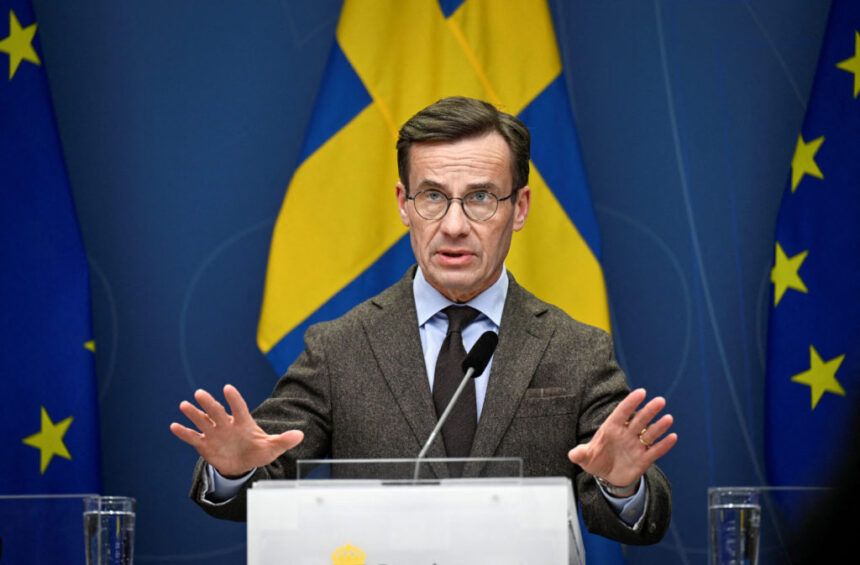
Stockholm, Sweden — Sweden has confirmed that it will end its long-running bilateral aid programmes in Zimbabwe, Tanzania, Mozambique and Bolivia as part of a sweeping realignment of its international development policy. The decision marks the closure of decades of cooperation across Southern and East Africa where Sweden has funded governance reforms, civil-society strengthening and community development initiatives that have relied heavily on stable donor support.
According to Sweden’s new aid strategy, the government will reduce its overall development budget and redirect the savings toward domestic priorities and renewed commitments to Ukraine. The policy shift reflects rising political pressure within Sweden to ensure that foreign aid aligns more closely with national interests. The phase-out of the four country programmes is expected to generate more than two billion kronor in budget reductions over the coming years.
For Zimbabwe, Tanzania and Mozambique, Sweden’s withdrawal will affect organisations that have depended on predictable, long-term support. Swedish aid has historically played a central role in public accountability programmes, gender initiatives, health services and rural development efforts. Local civil-society groups have warned that the sudden loss of a major development partner may destabilise ongoing projects and weaken community protections at a time of mounting economic and social pressures.
Although Sweden will maintain engagement through multilateral channels, the end of direct bilateral partnerships marks a significant contraction of its footprint in Africa.
Why This Story Is Important to South Africans
South Africa will feel both the regional and political consequences of Sweden’s withdrawal. Zimbabwe’s economic challenges have long contributed to migration flows into South Africa, and reduced support for governance and development programmes may intensify pressures that drive people to seek livelihoods across the border. This occurs at a moment when South Africa’s own employment market and social systems are strained, creating potential knock-on effects for service delivery and local stability.
Mozambique’s importance to South Africa extends beyond geography. It is a critical security partner in the region, and South Africa has already played a central role in efforts to stabilise conflict-affected areas. Sweden’s departure removes a key supporter of civil and community-based programmes that have complemented regional stabilisation efforts. Without sustained funding, the responsibility for maintaining momentum in these areas may shift more heavily to South Africa and SADC structures.
Tanzania’s position in East African trade dynamics also carries implications for South Africa’s continental economic ambitions. Cuts to governance and developmental programmes in Tanzania may affect institutional capacity and long-term reforms tied to the African Continental Free Trade Area, indirectly influencing South Africa’s broader economic strategy on the continent.
More broadly, Sweden’s decision reflects a trend of donor retraction from African development commitments. As Western nations scale back, African states with greater economic weight, such as South Africa, may face increased expectations to step in diplomatically or financially to prevent further regional instability. The restructuring of global aid patterns may therefore alter South Africa’s foreign policy responsibilities and reshape its role within both SADC and the African Union.

Anyone with additional information relating to this story can contact us through email press@townpress.co.za.
















Facebook Comments