


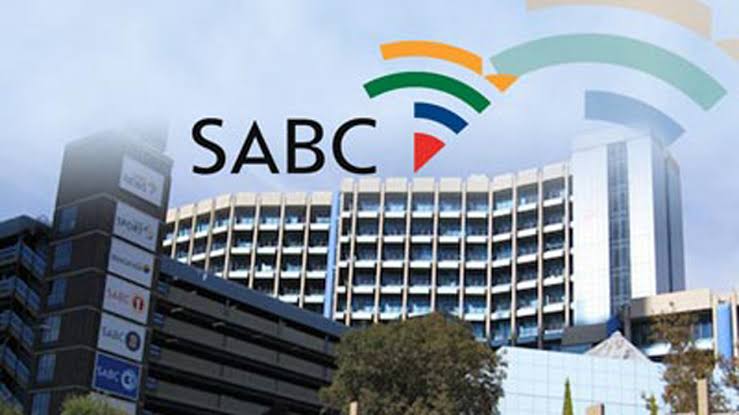
The South African Broadcasting Corporation (SABC) has revealed that fewer than 20% of South African households are paying their TV licence fees.
This was disclosed during a briefing to the Standing Committee on Public Accounts (Scopa) on Wednesday, where the public broadcaster presented its audit outcomes and financial performance.
SABC CEO Nomsa Chabeli explained that the organisation’s ability to deliver on its public broadcasting mandate is significantly hindered by a lack of dedicated funding. As a result, the SABC is forced to rely primarily on commercial revenue streams to meet its obligations.
Chabeli emphasised that discussions around the financial sustainability of the broadcaster must take into account the high costs of fulfilling its public service mandate, which currently remains largely unsupported by direct funding. Only around 55% of these costs are covered, and much of that funding comes from steadily declining TV licence fees.
Unlike countries such as the United Kingdom, where the BBC enjoys over 80% compliance with licence payments, South Africa faces a starkly different reality. At present, just under one in five households that are expected to pay for a TV licence actually do so.
According to Chabeli, the broadcaster’s income is largely dependent on commercial activity, which makes up 83% of total revenue. In contrast, revenue from licence fees contributes just 13%, and that figure continues to shrink each year.
She also highlighted a growing challenge with enforcing licence compliance, particularly among individuals purchasing new television sets or streaming devices. The absence of effective legislation to compel payment has made it increasingly difficult to enforce the licensing requirement.
As non-compliance grows and revenue from licence fees declines, the SABC continues to operate under financial pressure, raising questions about the long-term sustainability of public broadcasting in the country.








Facebook Comments