



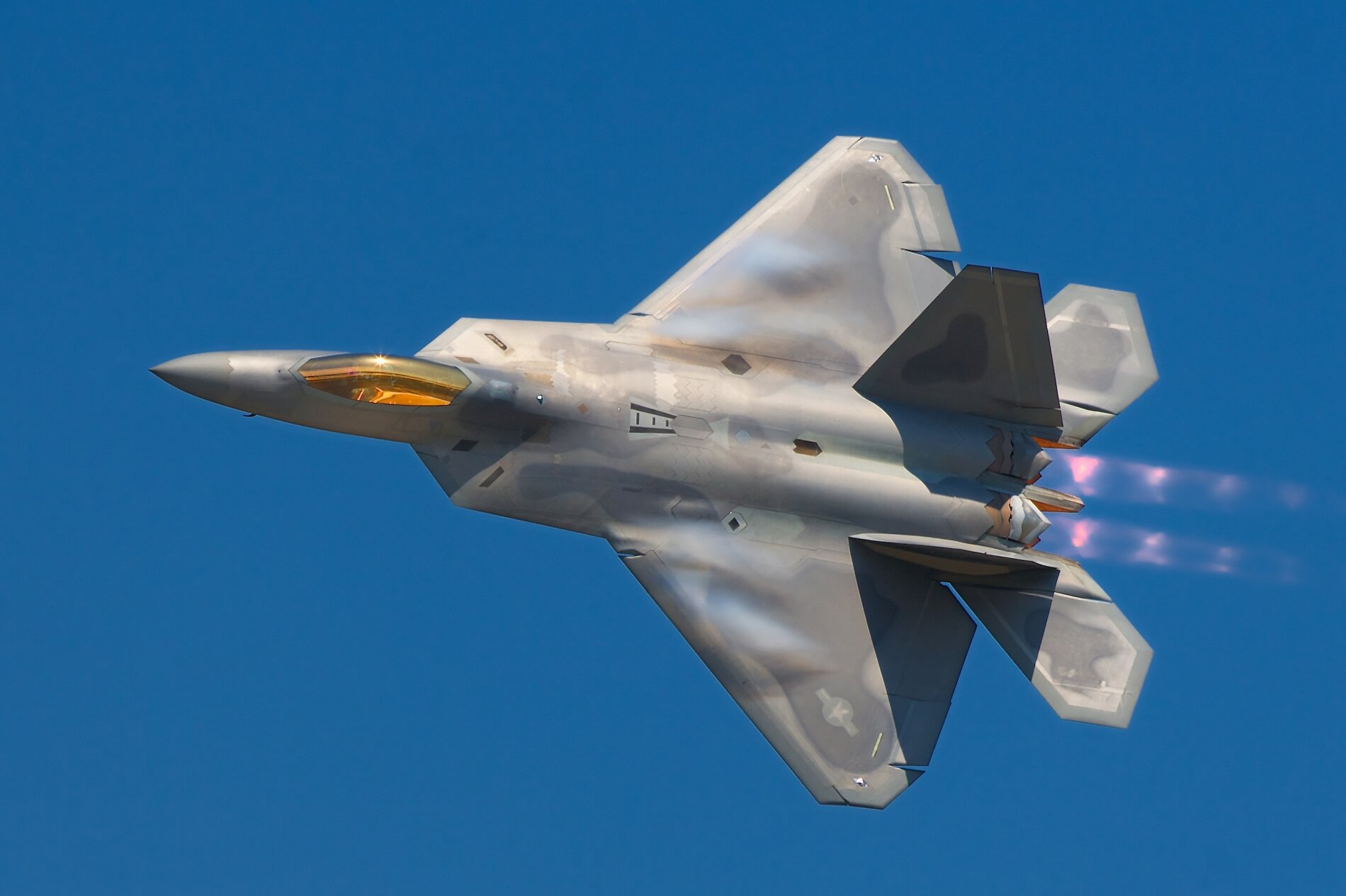
Johannesburg – Reports in sections of the American media warning about possible Iranian sleeper cells and retaliatory attacks inside the United States have triggered intense debate online. While US officials have stated there is no publicly confirmed, credible domestic terror plot, speculation about potential retaliation following US military actions against Iran has dominated headlines and social media feeds.
For African audiences, these narratives do not remain confined to American borders. They travel instantly through WhatsApp groups, X threads, Facebook posts and TikTok commentary, often stripped of nuance and context. Claims about “activated sleeper cells,” “imminent terror waves” or “coordinated attacks” quickly morph into broader geopolitical conclusions, sometimes without clear sourcing.
Security experts quoted in US outlets have spoken about hypothetical risks, including lone actors inspired by events in the Middle East or coordinated attacks on public venues. At the same time, federal agencies have emphasised heightened alertness rather than confirmed plots. That distinction often gets lost once headlines circulate globally.
Across parts of Africa, online discussions have already shifted from the specifics of US domestic security to broader political questions. Some users interpret the warnings as evidence of global instability. Others frame them as justification for hardened immigration positions or increased surveillance policies. In certain circles, the narrative reinforces long-standing distrust of Western foreign policy. In others, it fuels anxiety about possible spillover into global markets, oil prices and diplomatic alignments.
The economic implications are particularly relevant for African countries. Tension involving Iran, Israel and the United States directly affects energy markets. Even speculative escalation can influence oil prices, currency volatility and investor sentiment. For economies heavily reliant on fuel imports, online panic can amplify economic anxiety before any concrete geopolitical shift occurs.
There is also a digital literacy dimension. Modern conflict unfolds across both physical and informational domains. Hypothetical security modelling by former officials can quickly be interpreted as confirmed intelligence. Words like “possible,” “may” and “could” often disappear once posts are reshared without context.
African policymakers and security analysts increasingly recognise that global narratives influence domestic stability. When misinformation or exaggerated threat reporting spreads, it can shape public opinion about foreign alliances, border control, migration and internal security posture. It can also place pressure on governments to respond to events that remain speculative rather than confirmed.
The current wave of US-focused security warnings highlights a broader reality: in a connected world, Africa does not observe global conflict from a distance. It experiences the information impact in real time. Markets react, political conversations shift and public perceptions evolve within hours of a headline going viral.
As tensions between Iran, Israel and the United States continue, the most immediate effect in Africa may not be military. It may be informational. Distinguishing between confirmed developments and forward-looking security assessments remains essential to preventing unnecessary panic or policy overreaction.
Anyone with additional information relating to this story can contact us through email press@townpress.co.za.











Facebook Comments