


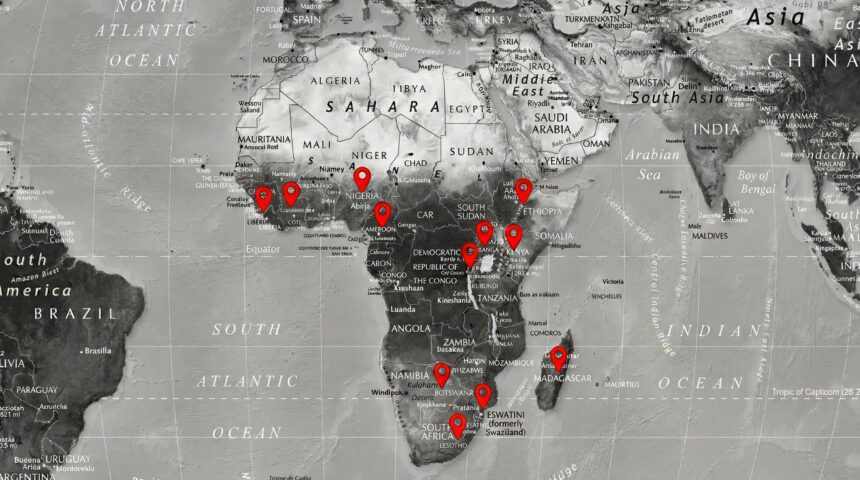
Johannesburg – Seventeen African countries have signed controversial bilateral health agreements with the United States under President Donald Trump’s restructured aid strategy, replacing traditional multilateral programmes with direct compacts tied to stricter conditions.
The signatories include Kenya, Rwanda, Liberia, Uganda, Lesotho, Eswatini, Mozambique, Cameroon, Nigeria, Madagascar, Sierra Leone, Botswana, Ethiopia, Côte d’Ivoire, Burkina Faso, Niger and the Democratic Republic of the Congo.
The deals promise billions of dollars for HIV, malaria, tuberculosis and maternal health programmes. In return, governments must increase domestic health spending, meet performance benchmarks and agree to expanded data-sharing provisions. Kenya’s package alone is reportedly worth over $1.6 billion, while Uganda’s could reach $1.7 billion over five years.
Supporters in Washington say the model promotes accountability and self-reliance. Critics warn that co-financing obligations and reported pathogen-sharing clauses could expose sensitive data and strain already pressured budgets. Zimbabwe is said to have withdrawn from a proposed deal, while Zambia raised concerns over certain terms.
The agreements mark one of the most significant shifts in US-Africa health cooperation in recent years, with debate intensifying over whether the strategy strengthens health systems or tightens external leverage.
Anyone with additional information relating to this story can contact us through email press@townpress.co.za.














Facebook Comments