



The National Consumer Commission is proposing new measures aimed at strengthening protections for consumers who shop online in South Africa.
The regulator says it is often difficult to hold international e-commerce companies accountable when problems arise with orders. To address this, the NCC is working with the Consumer Goods and Services Ombud to introduce reforms that would improve oversight of digital marketplaces.
Foreign Online Retailers May Need Local Presence
One of the key proposals would require overseas online retailers to appoint a local representative in South Africa.
If implemented, international platforms such as Temu and Shein could be required to establish a local office or appoint a South African company to represent them.
The move would allow consumers to submit complaints locally rather than dealing directly with companies based overseas.
These companies would also be required to comply fully with the Consumer Protection Act.
Meanwhile, global platforms like Amazon, which already operates in South Africa, may be expected to strengthen their local operations under the proposed reforms.
Level Playing Field For Local Retailers
Local retailers have previously argued that foreign online sellers benefit from fewer regulatory obligations.
South African companies say international platforms often face fewer requirements related to taxes, product safety standards, returns, and labour laws.

Requiring overseas retailers to establish a local presence could help ensure they operate under the same regulatory framework as local platforms such as Takealot.
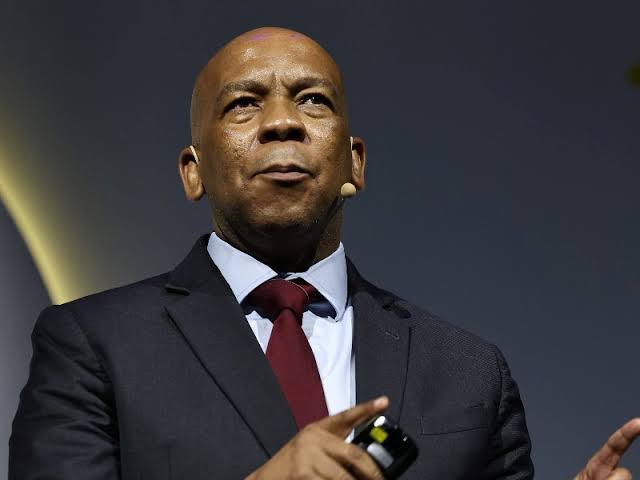
Acting consumer commissioner Hardin Ratshisusu said platforms that profit from transactions between sellers and South African consumers should not avoid responsibility when problems occur.
Platforms Could Share Responsibility
Another proposal would make online marketplaces partly responsible for products sold by third party sellers on their platforms.
Currently, customers are often directed to the individual seller when issues arise.
Under the proposed changes, platforms such as Amazon and Takealot could also be held accountable if products sold through their platforms cause harm or fail to meet consumer protection standards.
The NCC noted that similar approaches have been adopted internationally, including a 2020 court ruling in California that held Amazon responsible for injuries caused by a product sold by a third party seller.
The NCC and CGSO are also proposing the creation of a centralised system for handling online shopping complaintsand a product safety alert system to warn consumers about potentially dangerous items sold online.
The regulator said it will continue pursuing these reforms while using existing legislation to protect consumers.















Facebook Comments