


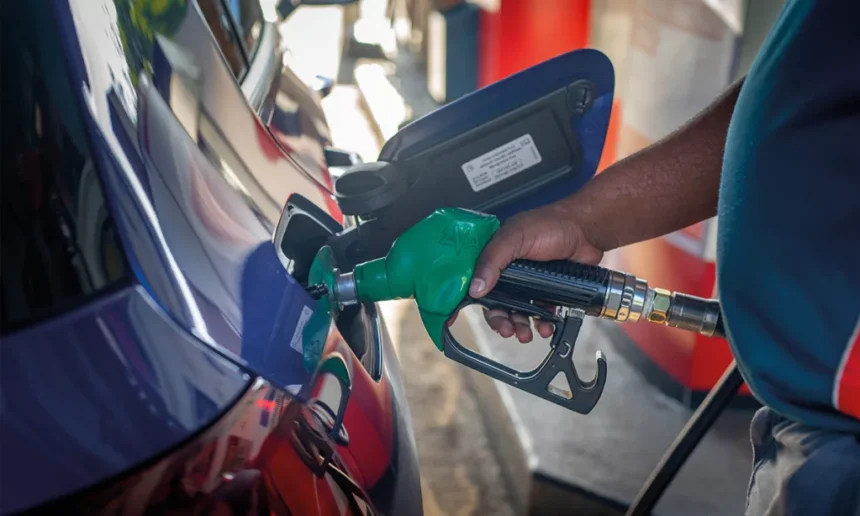
South Africa is bracing for what could be record-breaking fuel price increases, with petrol and diesel costs expected to surge sharply in April unless government steps in with relief measures.
Data from the Central Energy Fund points to significant hikes, with petrol prices projected to rise by between R5.31 for 93 Unleaded and R5.82 for 95 Unleaded. Diesel is set for even steeper increases, with estimates ranging from R10.13 for 500ppm to R10.27 for 50ppm.
The Department of Mineral and Petroleum Resources (DMRE) is expected to announce the official price adjustments soon, although a Cabinet committee is still assessing the potential impact. Calls have intensified for government to introduce temporary fuel tax relief to cushion motorists from the anticipated increases.
Further pressure comes from tax adjustments announced during the 2026 Budget, which will add 21 cents per litre through increases to the General Fuel Levy, Carbon Levy, and Road Accident Fund Levy.
If current projections hold, motorists could soon pay around R25.50 per litre for 95 Unleaded at the coast and R26.33 inland. The price of 93 Unleaded is expected to reach approximately R25.71 inland.
Diesel users face an even greater burden. Wholesale prices for 50ppm diesel are forecast to climb to R28.32 at the coast and R29.08 in Gauteng, before additional retail margins are applied.
GLOBAL PRESSURES DRIVE LOCAL PRICE SPIKES
The sharp increases are largely attributed to rising global oil prices, driven by geopolitical tensions in the Middle East. The price of Brent crude has surged by roughly 38 percent, climbing from about $69 per barrel in the previous period to an average of $95 in March.
A weaker rand, influenced by global economic uncertainty, has further compounded the situation, although international oil prices remain the primary driver behind the expected increases.
ECONOMIC IMPACT EXPECTED TO WIDEN
The anticipated fuel hikes are likely to have widespread economic consequences. Transport and logistics sectors are expected to be hit hardest, particularly due to rising diesel costs, which play a critical role in supply chains.

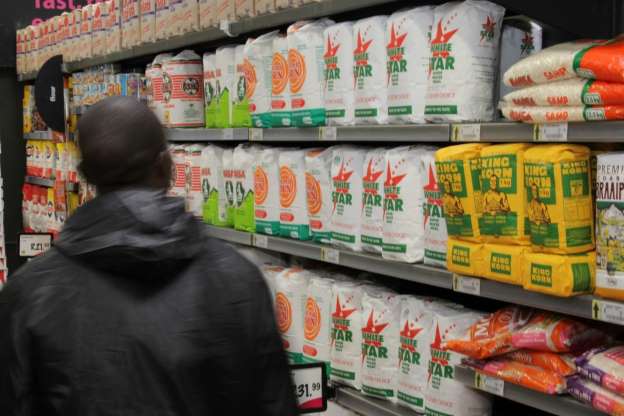
For consumers, the knock-on effect is likely to be felt in the form of higher prices for essential goods, including food and household items, as businesses pass on increased transport costs.
Economists also warn that rising fuel prices could intensify inflationary pressures, potentially limiting the South African Reserve Bank’s ability to reduce interest rates in the near term.
As the country awaits the official announcement, attention remains on whether government will intervene to soften the blow or allow the full increases to take effect.














Facebook Comments