


VUWANI – The South African Human Rights Commission (SAHRC) has announced that it will convene a national three-day hearing on “The Impact of Protest-Related Actions on the Right to Access a Basic Education in South Africa” from the 13 – 15 June 2016.
The hearing intends to bring together representatives from the Department of Education, COGTA, SAPS, school principals, community leaders and civil society to assist the Commission to identify policy, regulations, and programmatic interventions to secure children’s education during periods of conflict.
The hearings intend to highlight and explore the impact of protest on education and to consider ways of protecting the right to basic education.
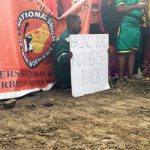
The issue was spotlit this year during violent protests in Vuwani, Limpopo that resulted in vandalism of many schools and the interruption of learning that may mean students will have to repeat the academic year.
According to the SAHRC listed similar protests that have historically impacted students’ access to education.
“Two years ago during protests in Malamulele in Limpopo, at least five schools were set alight. The Commission understands that those schools have still not been repaired. In October 2014, protests relating to access to water broke out in Zeerust, North West Province. During these protests, children were barred from attending school,” spokesperson Isaac Mangena said.
“The North West Province also experienced protests in June 2013, February 2015, and in June 2016 protests in Majakaneng village resulted in closure of schools. This trend is prevalent across almost all provinces in the country,” Mangena declared.
The Commission stated that its provincial offices have observed and monitored the ongoing protests in the country related to demarcation and service delivery.
“Protests have become a mechanism for communities to raise their discontent about their concerns for lack of delivery of services by government,” Mangena asserted.
The Commission questioned whether the response of the State during periods of civil conflict are adequate to protect and secure the rights of children to access education.
eNCA








Facebook Comments