


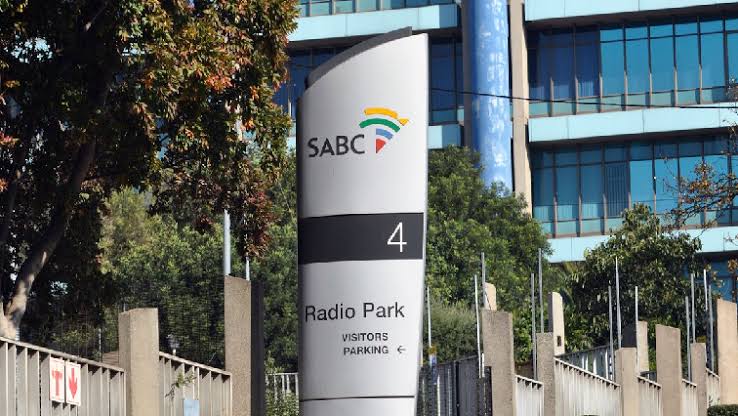
The South African Broadcasting Corporation (SABC) has raised concerns over declining TV licence compliance, revealing that fewer than 20% of South Africans are paying the annual fee despite the broadcaster maintaining a significant audience.
The low compliance rate continues to place financial pressure on the public broadcaster, limiting its ability to fund new projects and cover operational costs.
Speaking during a 2025 Standing Committee on Public Accounts (SCOPA) meeting, SABC Group Chief Executive Officer Nomsa Chabeli said the broadcaster’s audience size does not translate into higher licence revenue, as payment of TV licences remains largely driven by consumer habit rather than viewership.
The SABC attributed the decline in collections to a combination of internal and external challenges. These include outdated technology, weaknesses in the licence collection system, an ageing legislative framework, delayed policy reforms, the impact of load shedding, and broader economic pressures.
As South Africa’s public broadcaster, the SABC operates under a mandate to inform, educate and entertain the public. Unlike a state broadcaster, it is required to serve the interests of citizens rather than government.
In terms of the Broadcasting Act, the SABC is responsible for providing several television channels, including SABC 1, SABC 2, SABC 3, SABC News and SABC Sport. These channels, along with additional services such as SABC Education, are also available through the broadcaster’s digital streaming platform, SABC+.
TV licence fees remain one of the SABC’s key sources of revenue. Households are required to pay an annual fee of R265 for each television set in their possession, regardless of whether the television is actively used.
The broadcaster’s TV Licence division states that any individual or entity in possession of a television set is legally required to hold a valid licence under the Broadcasting Act.
While many South Africans view TV licences as outdated, failure to comply can carry legal consequences that extend beyond reminder notices and collection efforts.
According to the Organisation Undoing Tax Abuse (OUTA), the Broadcasting Act prohibits the use of a television set without a valid licence issued by the SABC.
The organisation notes that owning or using a television without a licence constitutes an offence under the law. Upon conviction, offenders may face a fine of up to R500 per offence, imprisonment for a period of up to six months, or both.
Although prosecutions and jail sentences for unpaid TV licences are uncommon, the penalties remain provided for in legislation.
The continued decline in licence payments has reignited debate about the future funding model of the public broadcaster, as the SABC seeks sustainable ways to maintain its operations while adapting to changing viewing habits and increasing competition from digital streaming services.









Facebook Comments