
Ramaphosa Defends Appointment of Andy Mothibi as New NPA Head


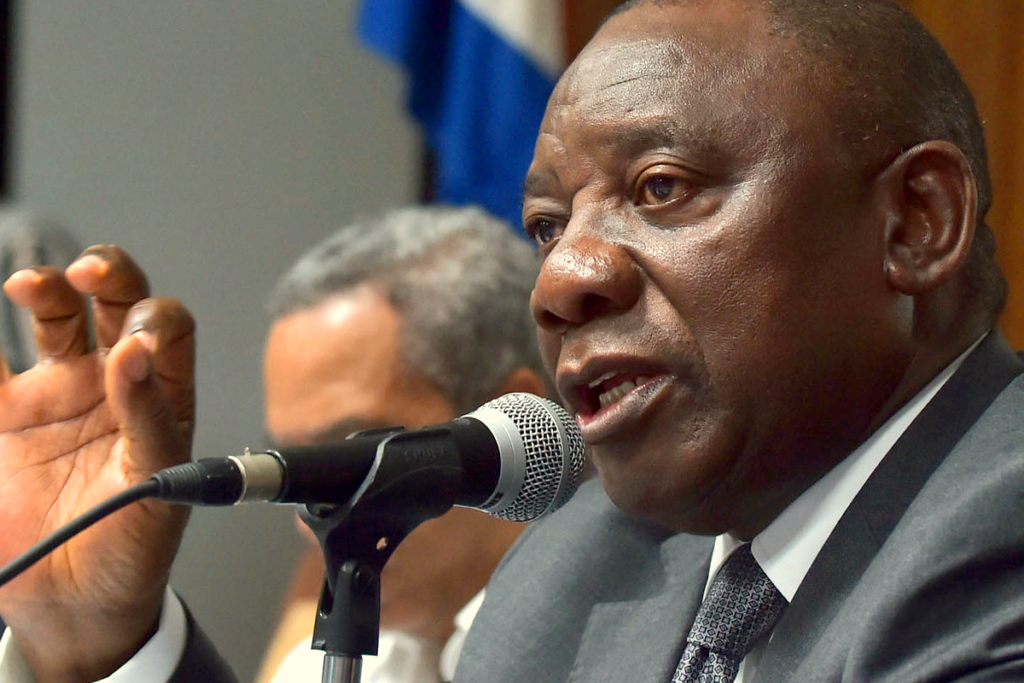
President Cyril Ramaphosa has defended his decision to appoint Advocate Andy Mothibi as the new National Director of Public Prosecutions, saying the move was made within his Constitutional authority after an advisory panel concluded that none of the shortlisted candidates were suitable for the role.

The announcement, made on Tuesday, drew widespread attention as Mothibi had not been among the candidates interviewed during the formal selection process. He replaces Advocate Shamila Batohi, whose term ends in January.
In November, Ramaphosa established a seven-member advisory panel to guide what he described as a transparent process in identifying Batohi’s successor.
The panel shortlisted candidates from 18 applications and conducted interviews. However, upon final assessment, the panel advised the president that none of the interviewees met the required standard for the country’s top prosecutorial position.
Speaking on the sidelines of the ANC’s January 8 celebrations in the North West, Ramaphosa said the urgency and significance of the appointment required decisive action.
He noted that while the process was designed to give the public insight into potential candidates, the panel’s report made it clear that an alternative choice was necessary.
Ramaphosa described Mothibi as a well-established figure in the criminal justice system, highlighting his leadership experience, strong work ethic and track record of delivery.
He expressed confidence that the appointment would strengthen the National Prosecuting Authority at a time when the institution is under intense pressure to rebuild credibility.
The NPA continues to face significant challenges, including capacity shortages, delays in high-profile corruption cases and ongoing efforts to recover from the reputational damage inflicted during the State Capture era.
Despite political support, progress in securing convictions in complex matters has been slow.
Ramaphosa acknowledged the concerns raised about the selection process and indicated he would be open to changes that could make future appointments even more transparent.
He noted that potential legislative or Constitutional amendments may be considered to strengthen accountability in future procedures