


Political analysts and the uMkhonto weSizwe Party (MK Party) have raised concerns following testimony presented to Parliament’s Ad Hoc Committee by attorney and certified fraud examiner Sarah Jane Trent.
The committee is investigating allegations made by KwaZulu Natal police commissioner Lieutenant General Nhlanhla Mkhwanazi. During the hearings, Trent presented evidence that raised questions about the involvement of private actors in South Africa’s criminal justice processes and their alleged connections to senior government officials linked to President Cyril Ramaphosa.
Her testimony followed that of fraud investigator Paul O’Sullivan, her former employer, who had previously appeared before the committee but later walked out of the proceedings.
During her appearance, Trent discussed O’Sullivan’s relationship with presidential adviser Bejani Chauke, prompting further scrutiny from political observers and the MK Party.
MK Party national spokesperson Nhlamulo Ndhlela said the developments pointed to what the party described as a troubling pattern involving Trent and O’Sullivan. He referred to Trent’s testimony in a separate legal matter involving Duduzile Sambudla Zuma, where she indicated that criminal charges she had laid were done on behalf of the organisation Forensics for Justice.
According to the party, this raised concerns about the influence of private individuals in politically sensitive criminal cases. Ndhlela argued that such involvement creates questions about accountability, motives and the degree of influence exercised in matters involving public officials.
The party also pointed to the recent sentencing of former Member of Parliament Vincent Smith to seven years in prison in a corruption case that originated from charges laid by Trent. While acknowledging that the courts had ruled on the matter, Ndhlela said it remained important to examine the broader context in which certain individuals frequently take prominent roles in cases involving political figures.
He further questioned what the MK Party described as inconsistencies in how corruption allegations are pursued. The party referenced past allegations involving Andile Ramaphosa, who reportedly received payments from Bosasa through his company Blue Crane Capital, as well as funds linked to President Ramaphosa’s CR17 campaign. Ndhlela claimed that individuals who aggressively pursue corruption cases against some public figures appeared less active in pursuing similar allegations involving others.
The MK Party said this perceived selectivity risks undermining public confidence in the justice system. Ndhlela stated that the party believes South Africa faces not only challenges in prosecution but also a growing crisis of public perception regarding fairness and accountability.

He added that the party is seeking legal advice on the legality of the actions of Trent and O’Sullivan, and is considering possible criminal charges.
Political analyst Professor Sipho Seepe also raised concerns about the relationship between O’Sullivan and individuals close to the president. Seepe argued that O’Sullivan had targeted certain figures within law enforcement while presenting himself as an anti corruption campaigner. At the same time, he suggested that the investigator appeared willing to defend others linked to political power.
According to Seepe, O’Sullivan’s views appeared to carry significant influence in some cases, including matters involving allegations connected to Andile Ramaphosa and Bosasa. He questioned why such issues were not pursued further by law enforcement agencies.
Another political analyst, Professor André Duvenhage, said past commissions of inquiry have produced evidence implicating senior leaders within the African National Congress, including individuals who have held top positions in government and the party.
Duvenhage said that although such evidence is publicly available, it has not always resulted in criminal prosecutions. He argued that this reflects broader challenges within the criminal justice system when dealing with politically powerful figures.
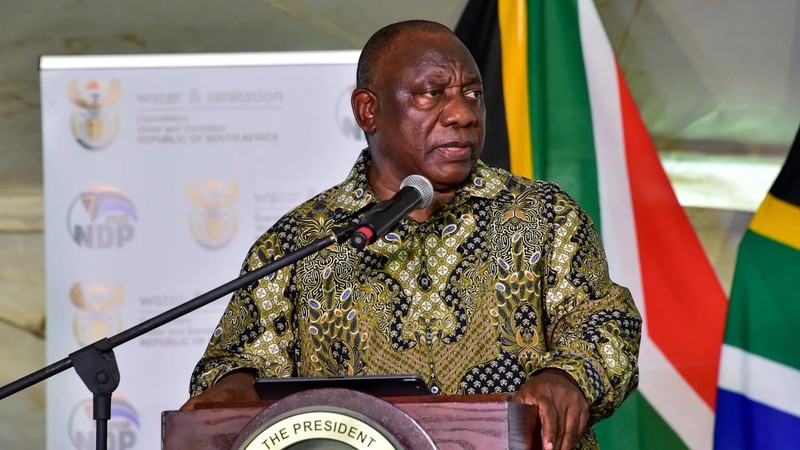
In response to questions arising from Trent’s testimony, presidential spokesperson Vincent Magwenya said the president would respond directly to the Ad Hoc Committee.
He confirmed that the presidency had received detailed questions from the committee and that any issues arising from the inquiry would be addressed through the parliamentary process.











Facebook Comments