


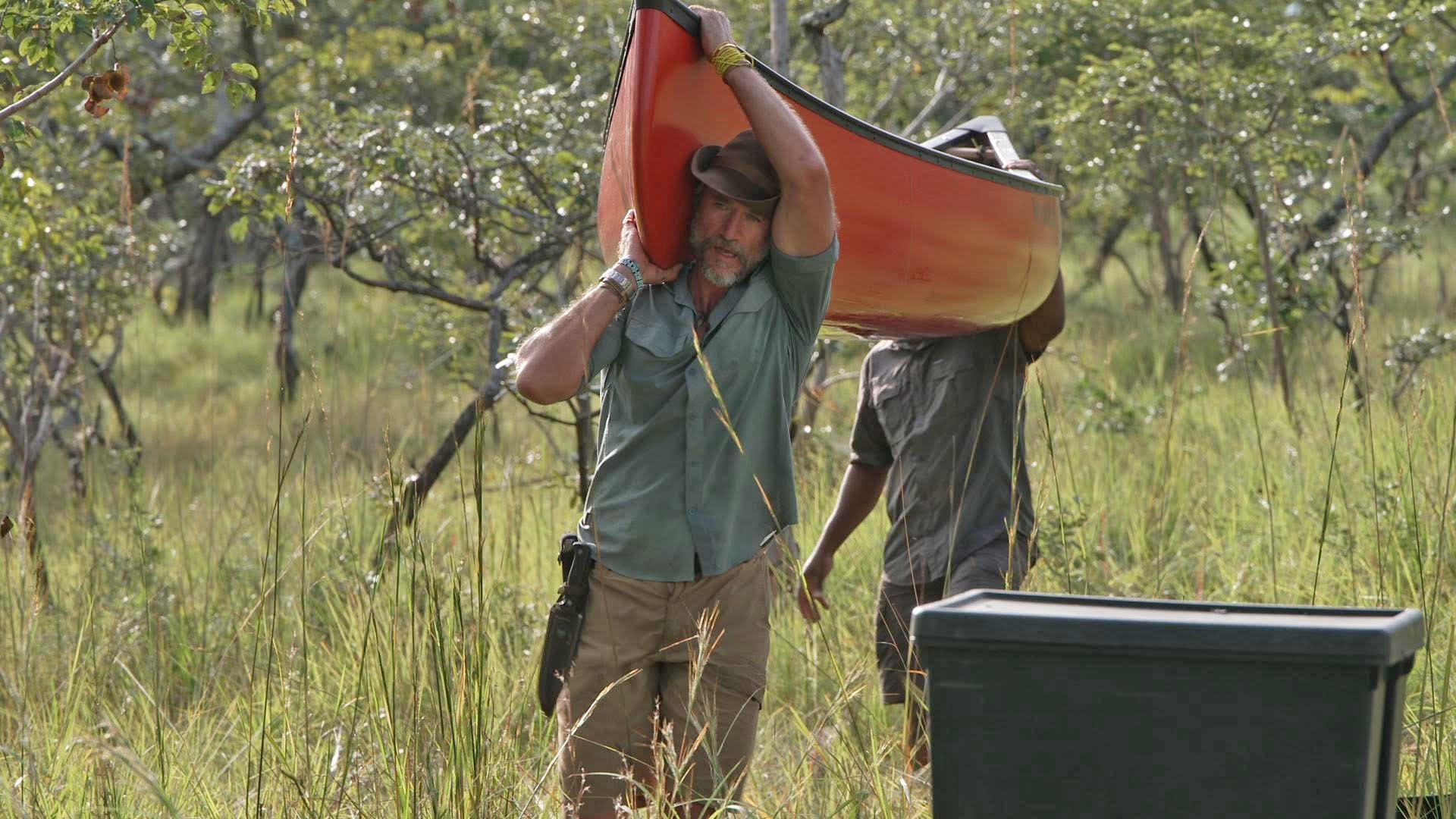
Explorer Steve Boyes, known for his work in Africa’s freshwater systems, has initiated The Great Spine of Africa project to establish hydrological and ecological baselines for major inland river basins in Africa.
Boyes, who played a crucial role in the Okavango Delta becoming a UNESCO World Heritage Site, is now focusing on researching the remaining five river basins with the support of the Rolex Perpetual Planet Initiative.
CNN accompanied Boyes on an expedition down the Chambeshi River in Zambia, the source of the Congo, where they meticulously documented the ecosystem, including using 360 imagery, environmental DNA sampling, and fish biodiversity monitoring to create a comprehensive snapshot of the area.
Boyes emphasizes the importance of documenting these rivers to preserve their magic and mythology for future generations.
Zambia is currently facing its worst drought in two decades, prompting The Great Spine of Africa expeditions to help predict future climatic oscillations by deploying hydrological and meteorological monitoring stations in river basins.
The crew encountered challenges navigating the Chambeshi River, with options to run, walk, or portage through rapids. The team feels a deep connection to the water during their journey.
As they reach the Bangweulu swamp, a vast wetland home to diverse ecosystems and the iconic shoebill, ornithologist Maggie Hirshauer expresses awe at the bird species.
Shoebills are at risk of being captured and sold on the illegal exotic pet market, prompting efforts to protect them by engaging with local fishing communities to safeguard their nests. The Great Spine of Africa expeditions aim to gather valuable data on species like the shoebill and their ecosystems, emphasizing the importance of community involvement in conservation efforts.
It stresses the significance of decisions made in Africa in the next 25 years for the future of the world, highlighting the need to measure and value biodiversity for sustainable conservation practices.















Facebook Comments