


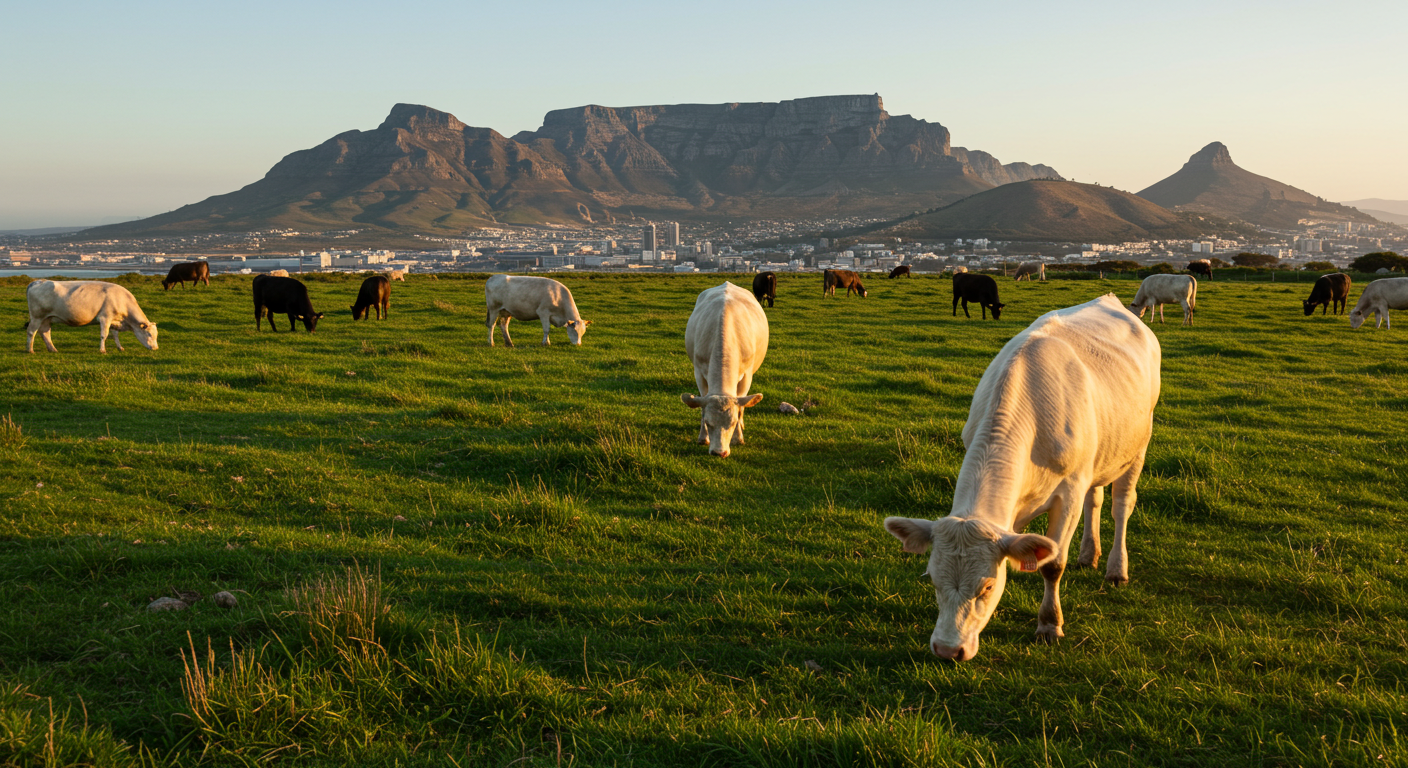
Kwazulu-Natal, South Africa. In response to the continued spread of Foot and Mouth Disease (FMD) in KwaZulu-Natal, Agriculture Minister John Steenhuisen has announced the extension of the province’s Disease Management Area (DMA) boundaries to prevent further outbreaks.
A departmental report released on Monday revealed that efforts to contain the FMD outbreaks in the province have not been fully successful, with new cases recently identified in the Newcastle area. The disease has now spread beyond the initial DMA, which was declared in 2021 following the emergence of the SAT2 FMD strain in the province.
The newly extended boundaries of the DMA aim to control the movement of cloven-hoofed animals, such as cattle, sheep, and goats, and their derived products in affected areas. The department stressed that no cloven-hoofed animals, their products, or genetic material may be moved to, from, or within the DMA unless authorised by a state veterinary permit and in full compliance with the stipulated conditions. The updated DMA boundaries will be officially published in the Government Gazette in the coming days.
The newly affected municipalities include Big Five Hlabisa, Mtubatuba, Nongoma, Ulundi, Umhlabuyalingana, Jozini, Pongola, Abaqulusi, Mfolozi, uMhlathuze, Mthonjaneni, Nqutu, Nkandla, uMlalazi, and Mandeni. Partial municipalities affected by the DMA include specific areas in Emadlangeni, Newcastle, Dannhauser, Endumeni, Msinga, uMvoti, Maphumulo, Ndwedwe, and KwaDukuza, extending to various key routes and municipalities.
Movement control measures, initially declared in October 2022, remain in effect nationwide and have been reiterated in the updated Government Gazette notice. These measures require that any movement of cattle, sheep, or goats be accompanied by an owner declaration confirming the animals’ origin and health status. The recipient at the destination must also provide a signed undertaking to isolate the animals for at least 28 days before integrating them with the main herd.
The department highlighted the legal obligation under Section 11 of the Animal Diseases Act, 1984 (Act No. 35 of 1984), which mandates that all animal owners and farm managers take reasonable steps to prevent their animals from contracting or spreading diseases. Essential biosecurity measures include limiting the introduction of new animals, ensuring they come from known disease-free sources with valid health declarations, preventing contact between farm animals and external livestock, maintaining secure farm boundaries, and minimizing human and vehicle access to farms with proper disinfection protocols.
Foot and Mouth Disease is classified as a controlled animal disease under the Animal Diseases Act, and specific control measures, such as isolation and movement restrictions, are enforced by Veterinary Services. The department urged that any suspicious symptoms, such as salivation, blisters in the mouth, limping, or hoof lesions, should be reported immediately to the local State Veterinarian. Under no circumstances should affected animals be moved.















Facebook Comments