


Health authorities in Gauteng have raised concern over a sharp increase in malaria infections and related deaths, urging residents to remain vigilant and seek medical attention at the first sign of symptoms.
According to the Gauteng Department of Health, recent figures show a significant rise in cases. Between January and December 2025, the province recorded 666 infections and seven deaths. However, in the first three months of 2026 alone, 414 cases and 11 deaths have already been reported.
Officials say the surge is partly linked to travel, with many residents visiting malaria-endemic regions during the festive season and returning infected without realising it. High-risk areas include Limpopo, Mpumalanga and neighbouring countries such as Mozambique, Zimbabwe and Malawi.
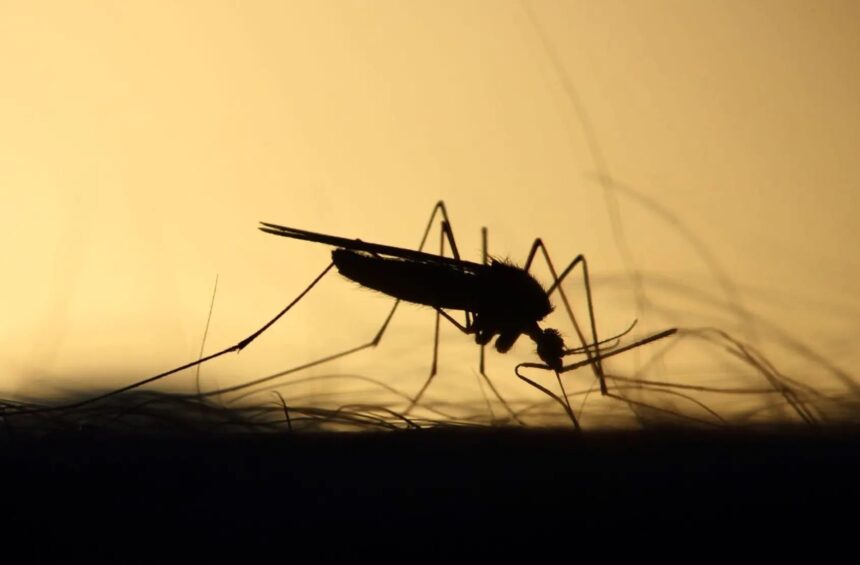
Malaria is transmitted through the bite of an infected mosquito and can become life-threatening if not treated promptly. Symptoms typically appear within 10 to 15 days and often resemble flu.
Common warning signs include fever, sweating, chills, headaches, muscle pain, nausea, vomiting and fatigue. In severe cases, the illness can lead to complications such as breathing difficulties, organ failure and death.
Health authorities are encouraging residents to take precautions, particularly when travelling to high-risk areas. These include using insect repellent and wearing protective clothing to reduce exposure to mosquito bites.
Vulnerable groups, including young children, pregnant women and individuals with weakened immune systems, are at greater risk of severe illness.
The department emphasised that malaria is treatable, especially when detected early through testing and proper medication. Residents are urged not to ignore symptoms or delay seeking care, as early intervention significantly improves outcomes.













Facebook Comments