


Iran is preparing to hold a state funeral for senior security figure Ali Larijani, as tensions in the Middle East continue to escalate following his killing in an Israeli air strike.
Authorities confirmed that funeral proceedings for Larijani and Basij paramilitary leader Gholamreza Soleimani will take place in Tehran. Their deaths were announced on Tuesday, marking a significant moment in the intensifying conflict.
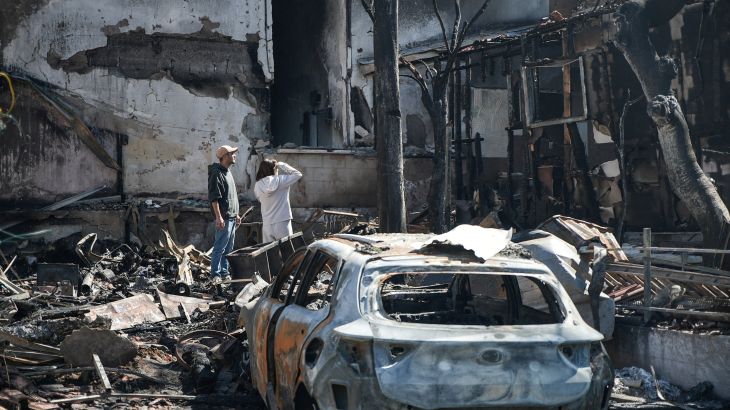
In response, Iran launched a wave of missile and drone attacks targeting Israel and parts of the Gulf region. In Tel Aviv, two people were killed after missiles struck near the country’s main commercial hub, causing damage to infrastructure. Several Gulf nations intercepted projectiles aimed at strategic locations, including United States military bases.
The conflict has also spread to Beirut, where Israeli air strikes hit central areas, leaving multiple people dead and causing visible destruction. Lebanon became further entangled in the war after the Iran backed group Hezbollah launched rockets towards Israel.
Larijani is among the most senior figures killed since the conflict intensified following joint military actions by Israel and the United States on 28 February. Those strikes reportedly killed Iran’s supreme leader Ali Khamenei, triggering a wider regional war. Plans for his funeral were initially announced but later postponed indefinitely.
Iranian military leadership has warned that retaliation will continue. Army chief Amir Hatami indicated that the country’s response would be decisive, while the Revolutionary Guards described the killing as a catalyst for further military action.
Beyond direct military exchanges, the conflict is also affecting global economic stability. Iran has moved to restrict access to the Strait of Hormuz, a critical route for global oil shipments. This has contributed to rising oil prices, with markets remaining under pressure.
Iran’s Foreign Minister Abbas Araghchi warned that the broader economic consequences of the war are only beginning to unfold and are expected to have widespread global impact.
In response to threats to international shipping, the United States military confirmed it had carried out strikes on Iranian missile sites near the coast. The operation involved the use of heavy munitions targeting infrastructure believed to pose a risk to maritime routes.

US President Donald Trump criticised allies for not offering more visible support in securing the Strait of Hormuz, although he maintained that the United States is capable of acting independently.
Meanwhile, Israel has signalled that its military campaign may continue to target Iran’s leadership. Officials have issued warnings directed at newly appointed supreme leader Mojtaba Khamenei, who has remained out of the public eye since assuming the role.
International reactions have begun to emerge, with Turkey condemning Israel’s actions as unlawful, while regional tensions continue to rise amid ongoing strikes and retaliatory attacks across multiple countries.












Facebook Comments