
South Africa’s Visa Agreement with Ukraine Fuels Diplomatic Controversy


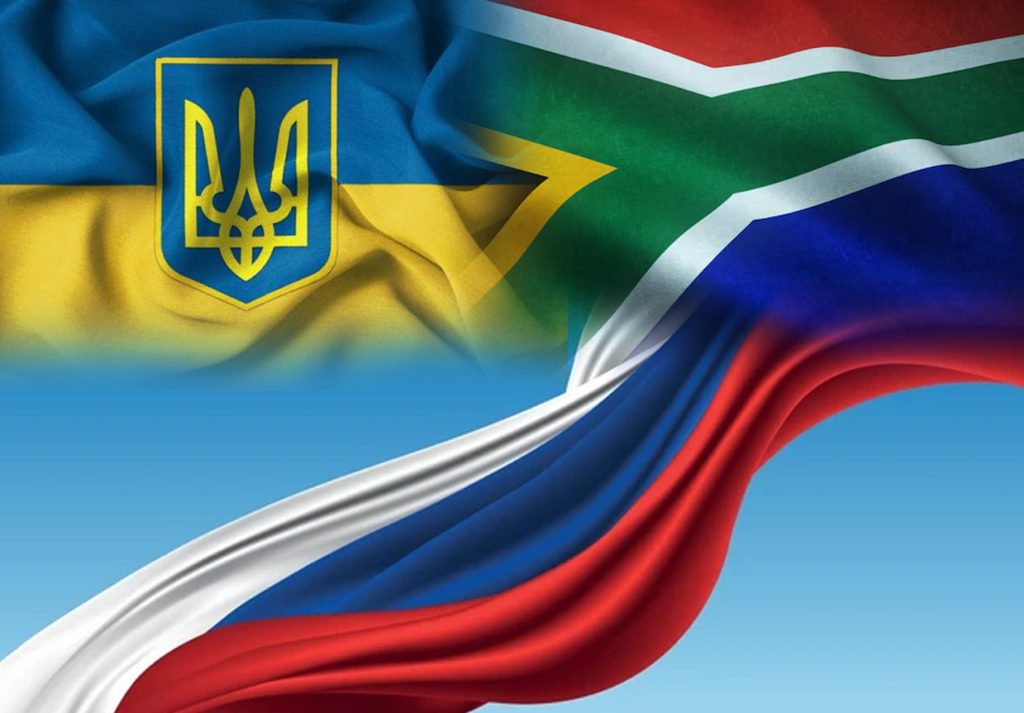
PRETORIA – On Sunday, Schreiber announced a noteworthy agreement that grants visa-free access to South Africa for Ukrainian holders of diplomatic, official, and service passports, expressing pride in this historic development. “We continue to see Ukraine as a valued ally, who supported us right from the beginning, from the days of our struggle against apartheid, right through to now,” he asserted.

In response, Magwenya articulated concerns regarding the timing of the announcement, asserting that the president had not yet formally authorized Schreiber’s signing of the agreement. “It is unclear how the minister can announce the signature of an international agreement without prior formal authorisation,” he stated, setting off speculation regarding internal government dynamics.
This public dispute reflects a wider discontent within the ruling coalition, particularly in light of President Ramaphosa’s recent statements that designated Russia as a significant ally of South Africa.
His statements were met with criticism from John Steenhuisen, the leader of the Democratic Alliance (DA). Steenhuisen emphasized that the DA does not acknowledge an authoritarian regime, especially one involved in a contentious military conflict, as a legitimate ally. “Putin is your ally, Mr President, not South Africans, he stated, emphasizing the party’s differing perspectives on foreign relations.
As tensions escalate, there are increasing apprehensions regarding the stability of the Government of National Unity (GNU), particularly as the Democratic Alliance (DA) distances itself from President Ramaphosa’s pro-Russian sentiments. Despite the existing discord, the Democratic Alliance (DA) articulated its support for the visa agreement, characterizing it as a substantial gesture of solidarity towards Ukraine, a nation that historically supported anti-apartheid activists during South Africa’s struggle against oppression.
Magwenya elucidated that discussions regarding the visa waiver discussions with Ukraine began in 2020; however, progress was hindered by delays resulting from the pandemic and changes in the Ukrainian government. He emphasised that this agreement pertains exclusively to officials with diplomatic passports, thereby indicating South Africa’s steadfast dedication to peace negotiations intended to address the ongoing conflict in Ukraine. “The agreement is for Official and Diplomatic Passports only. It is not for all citizens. Secondly, the process has been in the making since 2020.
However, there were delays caused by Covid-19, the war, and a change of ministers on the Ukraine side. This agreement is intended to facilitate the travel of our senior officials who are engaged in the peace formula discussions, he stated. As both ministers prepare for their meeting, the broader implications of the visa agreement and the public disputes highlight the complexities inherent in South Africa’s foreign policy positioning, particularly in the context of diverging political narratives.
The Economic Freedom Fighters criticized Schreiber, asserting: “Given the actions of the DA minister in supporting Neo-Nazi operatives and his inclination towards pro-Zionism, it is reasonable to characterize the DA as a group of sympathizers for both Neo-Nazi and Zionist ideologies, who seek to align South Africa with these movements through the endorsement of this treasonous agreement.”