


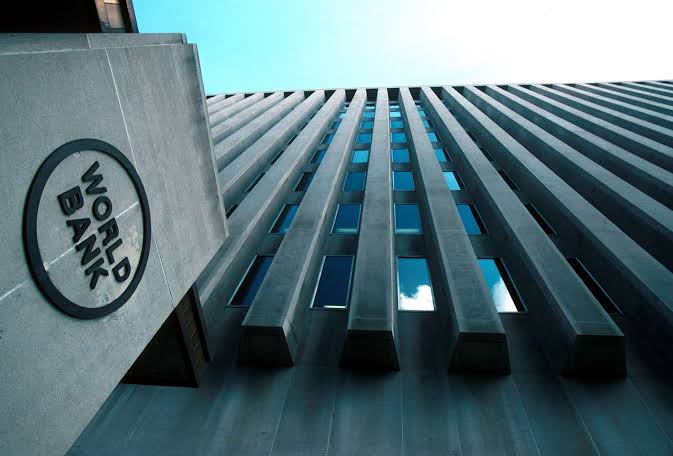
South Africa has secured a R26 billion loan from the World Bank to support critical reforms, with the aim of revitalising the country’s infrastructure and addressing structural weaknesses in its economy.
This funding forms part of the Country Partnership Framework (CPF), a strategic roadmap that facilitates development through investment, policy collaboration, and partnerships.
The CPF targets several key areas for reform. These include restructuring Eskom, advancing the shift to cleaner energy, improving the performance of state-owned enterprises, and creating a policy environment that supports economic growth.
The National Treasury has endorsed these priorities as essential steps toward stabilising the country’s debt and restoring fiscal balance.
One major aspect of the reform process involves increasing private sector involvement in public services and infrastructure. By allowing more private control over public assets, the government hopes to attract investment and ease the financial burden on the state.
In the short term, South Africa stands to benefit from improvements in the energy sector, freight transportation, and employment opportunities. However, the deal also strengthens the World Bank’s influence in domestic policy and markets, particularly through its private arm, the International Finance Corporation (IFC).
This opens the door for international corporations to collaborate with private firms in sectors historically dominated by the state, such as energy and logistics.
Despite the expected benefits, the agreement has sparked debate over South Africa’s growing dependence on external loans. Critics argue that an overreliance on foreign funding could undermine the country’s economic sovereignty.
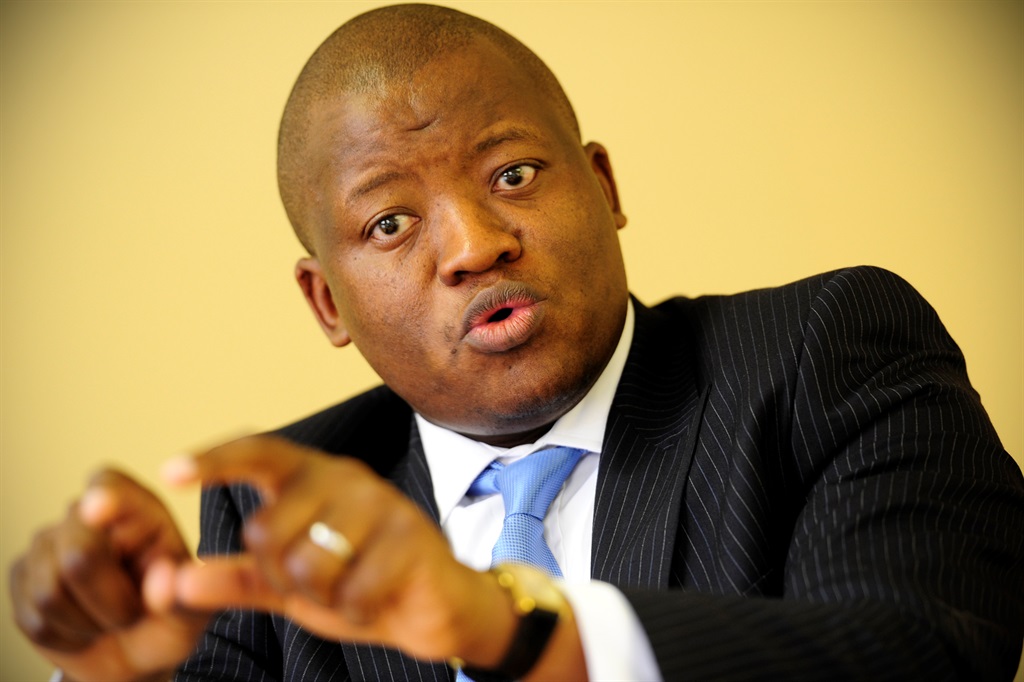
Economist Redge Nkosi cautioned that if the reforms fail, South Africa could become increasingly vulnerable to exploitation by foreign investors.

Meanwhile, Finance Minister Enoch Godongwana and World Bank regional director Satu Kahkonen remain optimistic that the reforms, supported by the loan, will contribute to the country’s economic growth.
South Africa’s experience mirrors a broader continental trend. Countries like Nigeria and Burkina Faso have made progress in reducing debt and decreasing reliance on international loans. However, Africa’s overall debt continues to climb, now exceeding one trillion dollars.
At a recent African Union (AU) debt conference in Lomé, Togo (12–14 May 2025), leaders called on the International Monetary Fund (IMF) to reform its Special Drawing Rights (SDRs) system to ensure fairer and more effective debt relief mechanisms for developing nations.












Facebook Comments