


TEHRAN — Tensions in the Middle East have reached a critical flashpoint following the sinking of an Iranian warship by the United States Navy, prompting a top Iranian cleric to issue a direct call for the assassination of Donald Trump.
The Frigate Dena, which was reportedly carrying approximately 130 sailors as a guest of the Indian Navy, was struck by US forces in international waters in the Indian Ocean on Tuesday night. Iranian officials confirmed that at least 87 sailors were killed in the engagement. Iranian Foreign Minister Abbas Araghchi condemned the strike as an “atrocity at sea,” warning that the United States would “bitterly regret” the precedent set by the attack.
In a rare move from the high-ranking Shiite clergy, Ayatollah Abdollah Javadi Amoli appeared on state television to call for “the shedding of Trump’s blood.” The Ayatollah stated that the country was on the verge of a “great test” and personally claimed responsibility for the call to violence against the former US president and “Zionist blood.”
The maritime strike is part of a broader conflict launched by the US and Israel on Saturday, targeting Iran’s leadership, missile infrastructure, and nuclear program. While initial reports suggested the operation aimed to topple the Iranian government, the shifting timelines and evolving military objectives indicate the region is entering an open-ended period of high-intensity warfare.
The human cost of the conflict has escalated rapidly, with Iranian officials reporting over 1,000 deaths within their borders. Casualties have also been recorded in Lebanon and Israel as regional proxies and direct military forces exchange fire. On Thursday, air sirens sounded in Tel Aviv and Jerusalem following incoming missile attacks, while US bases in the region were also targeted by Iranian strikes.
Beyond the immediate loss of life, the conflict has caused massive disruptions to global energy markets and international logistics. Brent crude prices surged by 15 percent since the start of the hostilities as Iranian retaliatory strikes began to impact traffic through the Strait of Hormuz, a vital artery through which a fifth of the world’s oil supply flows.
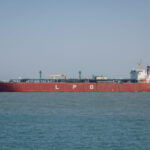
Shipping lanes in the Gulf of Oman and off the coast of Kuwait have become increasingly hazardous, with reports of tankers coming under attack. The instability has also left hundreds of thousands of travelers stranded across the Middle East as regional powers, including Qatar and Saudi Arabia, remain on high alert.
Anyone with additional information relating to this story can contact us through email press@townpress.co.za.













Facebook Comments