


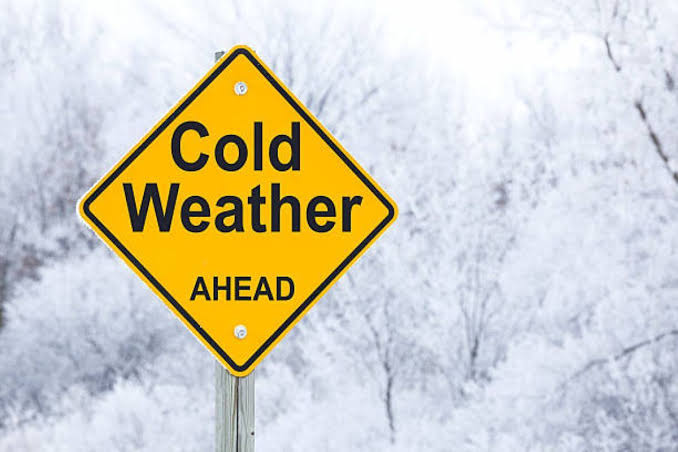
South Africa is preparing for a weekend of extreme winter weather, with most provinces expected to experience icy temperatures, strong winds, and widespread snowfall. Limpopo is the only province likely to be spared from the cold blast.
The South African Weather Service has issued warnings ahead of a powerful cut-off low pressure system that is forecast to hit the Western and Northern Cape early on Saturday 7 June. The system is expected to move eastward and impact central and eastern provinces by Monday, with conditions likely to linger in the eastern parts of the country until midweek.
Temperatures are expected to plummet below 10°C in many areas. The Eastern Cape and KwaZulu-Natal are at particular risk of heavy rainfall, which could lead to localised flooding.
Snowfall is expected in almost every province, with significant disruptions likely in higher-altitude regions. The N3 at Van Reenen’s Pass is among the routes where travel could be severely affected by accumulating snow on Monday and Tuesday.
In mountain areas, especially in the Eastern Cape, the Drakensberg, and parts of the Western Cape, snow could exceed 20 centimetres in depth, with some areas potentially seeing over half a metre.
The weather service has also cautioned that strong, gusty winds will make the already cold conditions feel even more severe. Farmers have been urged to take immediate precautions to protect livestock, particularly small stock, from exposure.
In addition to the cold and snow, several other hazards are expected. Damaging winds may increase the risk of wildfires across parts of the interior from Sunday. Coastal regions are also on alert, with rough seas and near-gale force winds predicted along the south-west coast from Friday, reaching the east coast by Saturday and continuing until Tuesday. Heavy rain over the Eastern Cape on Sunday could result in flooding and infrastructure damage, with these conditions forecast to spread to southern KwaZulu-Natal by Monday. Severe thunderstorms are also expected to develop in areas such as North West, Gauteng, Mpumalanga, and KwaZulu-Natal on Monday and Tuesday. These storms may bring hail and strong winds.
Participants in this weekend’s Comrades Marathon from Pietermaritzburg to Durban should also prepare for changeable weather. Mild to warm and windy conditions are expected for most of the race, but a cooler shift later in the day could bring showers or thunderstorms as the cold front reaches the coast.
While the approaching system is intense, weather experts say it still falls within the range of natural climate variability. Meteorologist Christien Botha explained that factors like sea surface temperatures, upper-level winds, and larger climate cycles such as El Niño can influence winter patterns. Natural climate variability refers to regular changes from year to year, such as one winter being dry and the next stormy, and these shifts occur regardless of human activity.

However, scientists also note that a warmer global climate can intensify weather systems. Botha said that while no single storm can be directly attributed to climate change, warmer temperatures in the atmosphere and oceans can make extreme events more powerful or unpredictable. Additional moisture in the air, for instance, can increase rainfall or snowfall amounts, and shifting ocean temperatures can alter storm paths and development.
This view is supported by Professor Guy Midgley of Stellenbosch University’s School for Climate Studies, who previously stated that all weather is now influenced in some way by climate change. He noted that the key issue is not whether climate change plays a role, but to what extent it alters the frequency and strength of weather systems.
Although this upcoming cold front is part of natural seasonal variability, meteorologists continue to monitor longer-term patterns to assess how broader climate trends may be influencing local extremes.













Facebook Comments