
Samsung is using material from Mars rovers to fix foldables


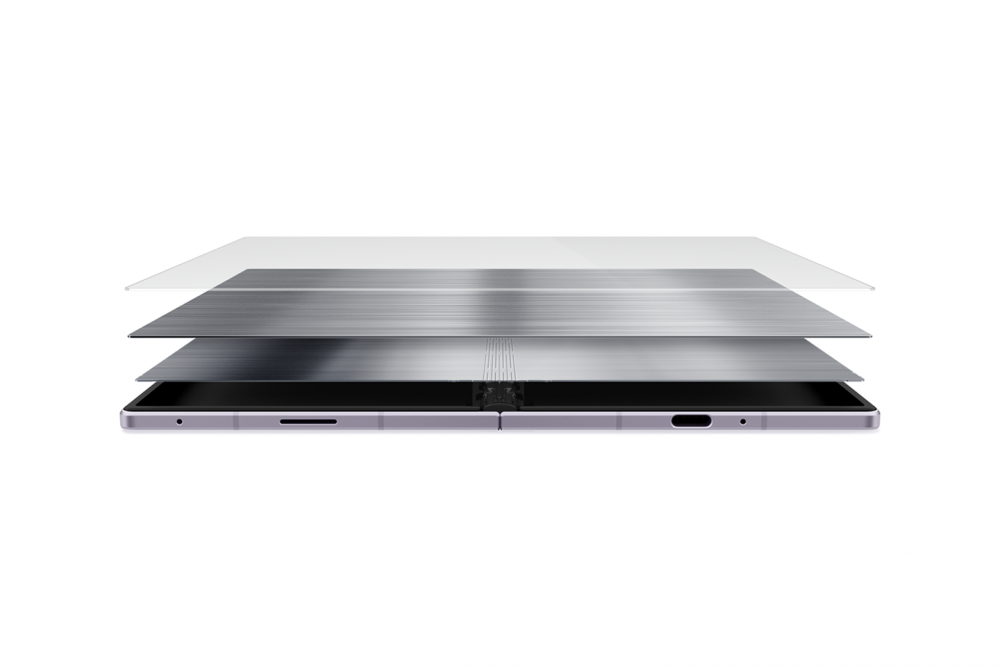
JOHANNESBURG — Samsung has turned to titanium, a material used in satellite antennas and the wheels of Mars rovers, to tackle two of the most persistent complaints about foldable smartphones: the visible crease running through the display and concerns about whether increasingly thin screens can withstand years of folding.

The technology, called Flex Titanium, introduces two titanium-based components beneath the display: an extremely thin titanium-alloy film and a titanium plate. Samsung says the combination provides greater structural support while retaining the flexibility required for a screen that must repeatedly fold and unfold.
The most striking change is hidden directly beneath the OLED panel. Samsung says the titanium-alloy film used to support the display provides 20 times greater mechanical stiffness than the polymer film traditionally used, despite being manufactured to approximately one-third the thickness of an average human hair.
That addresses a difficult engineering trade-off in foldable phones. Manufacturers have been trying to make the devices thinner and lighter while maintaining sufficient structural strength around the folding display. A stronger support layer potentially allows Samsung to reduce thickness without simply sacrificing durability.
A second titanium component sits beneath the display module. Samsung has introduced microscopic patterned holes into the folding section of this plate, allowing a material normally associated with rigidity to flex repeatedly. Advanced hole processing also allows the display module to bond more tightly to the plate by removing air gaps between it and the adhesive.
The result, according to Samsung, is more stable support when the phone is opened and a reduction in the visibility of the crease that forms along the folding point.
Samsung has spent seven generations refining its Galaxy foldable phones, and the crease has remained one of the most recognisable compromises separating folding screens from conventional smartphones. The company says customer feedback increasingly points to demand for larger displays with a less visible crease without sacrificing portability or durability.
Flex Titanium is therefore more than the use of a premium material on the exterior of a smartphone. The titanium is being incorporated into the internal structure responsible for supporting the flexible OLED display itself.
Samsung Display has also combined the new structure with higher-resolution display architecture and new organic materials intended to reduce power consumption. The company says these changes improve power efficiency while maintaining the higher-resolution screen required for its next generation of foldables.
The development comes as foldable smartphones move beyond the novelty of simply having a screen that bends. Manufacturers are increasingly competing over how thin and light the devices can become, how noticeable the fold remains when opened and whether consumers can use them with the same confidence as conventional premium smartphones.
Samsung has already demonstrated how aggressively it is pursuing weight reduction. Its South African newsroom describes the latest Galaxy Z Fold8 as weighing 201 grams, down from 253 grams in earlier generations.
Flex Titanium now targets the display itself, where making components thinner without weakening the folding structure presents a more difficult engineering problem.
Samsung says the technology will be used in its next generation of Galaxy foldable devices. The significance will ultimately be measured by something considerably more familiar to consumers than titanium engineering: whether the crease becomes harder to see and the phone can become thinner without becoming more fragile.
Anyone with additional information can contact the press desk at press@townpress.co.za or drop a tip on our annonymous platform https://tips.townpress.co.za/