


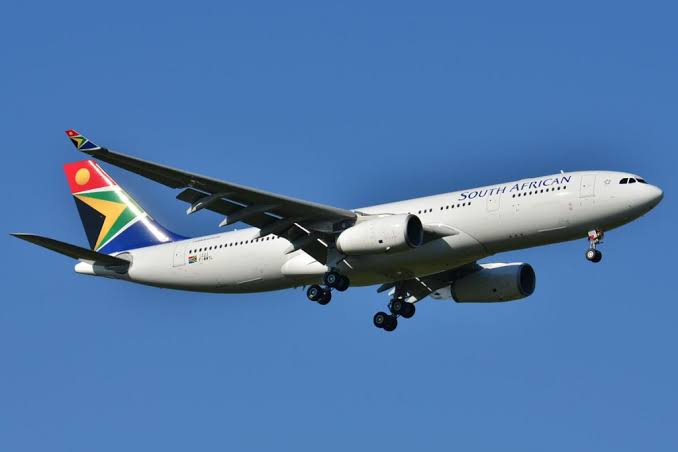
After a turbulent period marked by allegations of corruption and financial mismanagement, South African Airways (SAA) is showing strong signs of recovery and is once again contributing to the national economy. This was outlined by Transport Minister Barbara Creecy during the department’s Budget Vote presentation in Parliament on Wednesday.
The state-owned airline, which was previously grounded and placed under business rescue, has re-established operations across domestic, continental, and international routes.
With renewed profitability and a strengthened asset base, SAA is now positioned to play a key role in supporting economic growth through tourism, trade, and employment.
A recent study by Oxford Economics Africa found that the airline contributed R9.1 billion to South Africa’s GDP in the 2023/24 financial year. This contribution is projected to rise significantly, with estimates suggesting a value of R32.6 billion by 2029/30.
In terms of employment, the airline currently supports around 25,000 jobs—a figure expected to increase to over 86,000 in the coming years.
Financially, the airline recorded a profit of R252 million for the 2022/23 financial year—its first since 2012. It has also completed most of its outstanding audits and is now funding its operations independently, without reliance on government guarantees.
While it remains open to the prospect of a strategic equity partner, SAA is currently focused on sustaining operations and expanding its fleet as part of its long-term restructuring plan.
Boosting Airport Infrastructure
In a parallel effort to strengthen the aviation sector, Airports Company South Africa (ACSA) has been allocated R21.7 billion for infrastructure development.
The funding is aimed at improving airport capacity and passenger experience, with a target of accommodating 42 million passengers annually and increasing air freight handling.

Upgrades include the construction of a new freight terminal at OR Tambo International Airport, improvements in passenger facilities, and the rollout of projects to ensure a consistent supply of jet fuel.
The department also plans to modernise technologies and enhance security measures across all airports to support operational efficiency and user convenience.
Addressing Road Conditions and Licensing Backlogs
Road infrastructure also remains a priority for the department. Over the past year, the South African National Roads Agency (SANRAL) has assumed responsibility for over 3,000 kilometres of provincial roads.
These will now be maintained under the Route Road Maintenance Programme, supported by reprioritised funding from existing budgets.
In addition, progress has been made in addressing challenges with the country’s driver’s licence system. The previously faulty card printing machine has been repaired, and efforts are underway to clear the backlog.
As a precautionary measure, a memorandum of understanding has been signed with the Government Printing Works to serve as a backup solution. This is expected to be operational within three months.
Through these initiatives, the Department of Transport aims to drive economic development, improve service delivery, and ensure that critical infrastructure keeps pace with the country’s growing needs.












Facebook Comments