


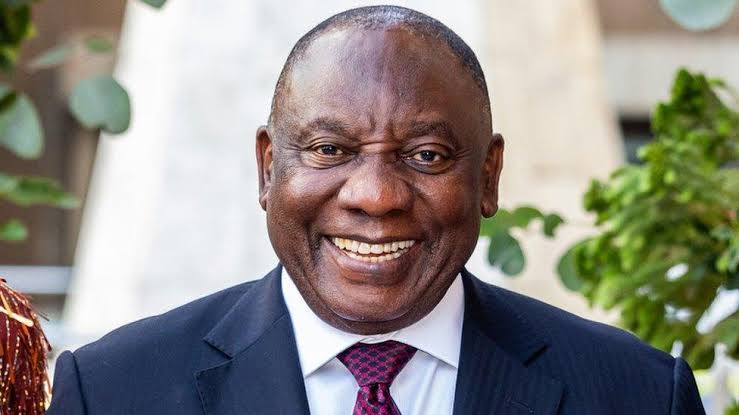
President Cyril Ramaphosa has signed off on major amendments to South Africa’s political funding rules, effectively doubling the limits on private donations to political parties.
A proclamation published in the Government Gazette on 6 August confirmed that the annual cap on contributions from a single individual or entity has been raised from R15 million to R30 million.
At the same time, the disclosure threshold for donations has been lifted from R100,000 to R200,000. This means donations below the new limit do not need to be declared to the Electoral Commission.
The changes follow a National Assembly resolution passed in May, based on recommendations from Parliament’s Portfolio Committee on Home Affairs. Under the Political Party Funding Act, the president holds the final authority to determine such thresholds.
Civil society group My Vote Counts (MVC) has criticised the move, cautioning that the higher disclosure threshold could allow substantial amounts of money to enter the political system without public scrutiny.
The organisation argued that the revisions dilute transparency and risk increasing the influence of wealthy donors over political parties.
The amendments come while MVC is pursuing a legal challenge in the Western Cape High Court. The case, heard earlier this year, questions both the rationality of the current limits and the constitutionality of granting the president the discretion to set them.
The latest developments also follow a ruling last year that required Parliament to reinstate the donation ceiling after it was temporarily removed ahead of the 2024 general election.
At the time, political parties were ordered to backdate and disclose donations above the previous R15 million cap.

The Electoral Commission of South Africa has reminded parties that, despite the higher disclosure threshold, all contributions must still be reflected in their annual financial statements.
Supporters of the revisions argue that the updated thresholds better reflect South Africa’s economic conditions.
However, critics maintain that the decision could undermine efforts to strengthen transparency in political financing, particularly in the context of heightened electoral competition.















Facebook Comments