
Home Affairs opens asylum doors to illegal entrants


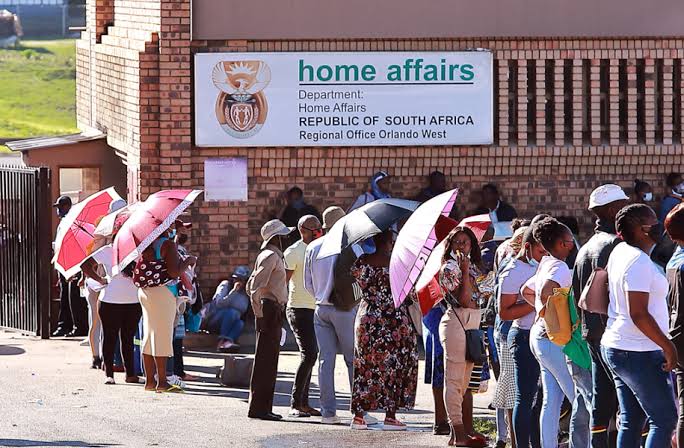
PRETORIA — South Africa’s refugee reception offices can no longer turn away a person seeking asylum simply because they entered the country illegally, have no visa or failed to report within five days, a change Home Affairs admits could place significant new pressure on an already strained asylum system.

The instruction, signed by Acting Director-General B.T. Mavuso on 28 September and sent to all Refugee Reception Offices, follows a Constitutional Court judgment that struck down several provisions of the Refugees Act and regulations used to restrict access to the asylum process.
Under the directive, every Refugee Reception Office must receive anyone who reports in person and indicates an intention to seek asylum. This expressly includes people who entered South Africa unlawfully, crossed somewhere other than an official port of entry, have no visa, did not declare their intention to seek asylum at the border or failed to report to a refugee office within five days.
The Constitutional Court ruled on 7 July in Scalabrini Centre of Cape Town and Another v Minister of Home Affairs and Others that procedural failures could not prevent an asylum seeker from having the merits of their claim considered. The court confirmed the invalidity of sections of the Refugees Act that had allowed applicants to be excluded before that assessment took place.
The practical consequences are extensive. Home Affairs officials may no longer require an applicant to establish “good cause”, valid reasons or compelling reasons for entering illegally before accepting an asylum application. They also cannot require an asylum transit visa as a condition for applying or first refer the person into another immigration process.
Offices are prohibited from imposing blanket suspensions or quotas that prevent people from accessing the asylum application process. If an office cannot process everyone who arrives on a particular day, officials must record their names and contact details and issue written, dated appointments rather than simply sending them away.
The directive has triggered considerable anger and confusion online, with some South Africans interpreting it as giving undocumented immigrants an automatic route to legal status.
That is not what the Constitutional Court ordered. The judgment removes procedural barriers to applying for asylum, but it does not automatically grant asylum or refugee status. Home Affairs must still assess whether an applicant qualifies for protection under South African refugee law.
The department has nevertheless acknowledged the administrative consequences. Home Affairs Deputy Director-General Thulani Mavuso said in a radio interview that officials expect additional pressure because people who may not ultimately qualify for asylum could nevertheless present themselves and have to be processed.
This is where the court ruling becomes a significant operational challenge for Home Affairs. The department must provide access to the asylum system before determining whether a claim is genuine, meaning potentially unsuccessful applicants still require administrative processing and assessment.
The directive also requires people who were previously turned away, had their biometric information captured without being allowed to apply, or were given appointments without lodging applications to be assisted when they return.
The Constitutional Court was clear about the legal principle behind the change. It found that excluding people from the asylum system because of earlier procedural failures could prevent authorities from considering whether returning them to another country would expose them to persecution or other dangers protected under refugee law.
The immediate test for Home Affairs will now be whether its refugee reception offices can absorb the additional applications while still distinguishing legitimate asylum claims from people attempting to use the system simply to regularise their presence in South Africa.
The xenophobic hysteria around this announcement by Home Affairs signifies the general stupidity amongst the ‘abahambe’ mob.
The Concourt correctly ruled that a person seeking asylum cannot be turned away simply because such a person entered the country illegally.
This right to seek asylum regardless of legal status is consistent with Article 31 of the Refugees Convention. However, it is not a right to be granted asylum. The receiving country can still deny the asylum seeker approval after a fair assessment of their application.
Not every person seeking asylum is going to have valid travel documents, especially those fleeing conflict.
Home Affairs was initially wrong in trying to violate international law in respect of asylum seekers, and most likely was acting out of populist expediency. They are now regularising their flawed policy following the Concourt ruling.
Stop listening to idiots like @JacintaNgobese who want to manufacture unjustified outrage.
— Sentletse 🇿🇦🇷🇺🇵🇸🇱🇧 (@Sentletse) October 5, 2026
I just interviewed the DDG at home affairs on #TheCMShow about the much talked about Asylum applications at refugee reception centres. He confirmed that the department will NO LONGER turn someone away at the door simply because they entered the country illegally. He admits that this is going to overwhelm the department because some illegal immigrants may take advantage and go queue and claim to be asylum seekers. This will cause an administration burden.
— Clement Manyathela (@TheRealClementM) October 5, 2026
Anyone with additional information can contact the press desk at press@townpress.co.za or drop a tip on our annonymous platform https://tips.townpress.co.za/