Guinea overtakes SA and Canada in global iron ore trade


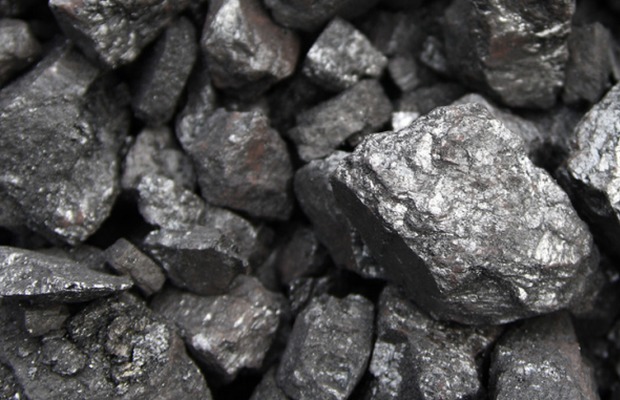
JOHANNESBURG — Guinea has overtaken South Africa and Canada to become the world’s third-largest seaborne iron ore exporter, driven by rising shipments to China and expanding output from major mining projects.

BRS Shipbrokers data for November 2026 shows Guinea’s shipments have passed 22 million tonnes so far this year, beating earlier expectations of about 20 million tonnes for all of 2026, compared with 4.62 million tonnes for Canada and 3.34 million tonnes for South Africa. Growth from the massive Simandou project—projected to reach 120 million tonnes annually at full capacity—underlines how quickly West Africa is reshaping bulk mineral supply chains across global shipping lanes.
China remains Guinea’s largest buyer as Chinese steelmakers—including Baowu Steel and Chinalco—expand access to high-grade iron ore and reduce reliance on traditional suppliers. Meanwhile, the United States is pushing for greater involvement in Guinea’s mineral and port infrastructure to counterbalance Chinese influence while maintaining longstanding bauxite ties in the country.
For Southern Africa and South Africa’s mining sector, Guinea’s rapid rise signals stiffer global competition in bulk commodities and export shipping routes. Longer haulage distances from West Africa to Asian buyers also affect vessel demand, freight dynamics and export pricing across global commodity markets.
Whether Guinea turns surging iron ore volumes into lasting domestic development depends on infrastructure reliability, transparent governance and value retention across mining regions. For mineral exporters across Africa, shifting trade flows highlight the value of port efficiency, rail corridors and steady capital investment over the years ahead.
Market analysts and shipping observers are watching how new West African supply interacts with existing producers in Southern Africa, Australia and Brazil. Competitive logistics, port throughput and reliable power and rail networks remain decisive for exporters seeking steady market share.
At the same time, major resource shifts test how host governments balance foreign investment, local job creation and long-term public revenues across mining corridors.
How should mineral exporters balance rapid resource extraction with domestic development and competition?
Anyone with additional information can contact the press desk at press@townpress.co.za or drop a tip.