


Gauteng – The Department of Water and Sanitation is addressing the issue of municipal water debt, which has reached R21.3 billion by May 2024, posing a significant risk to the financial sustainability of the water sector.
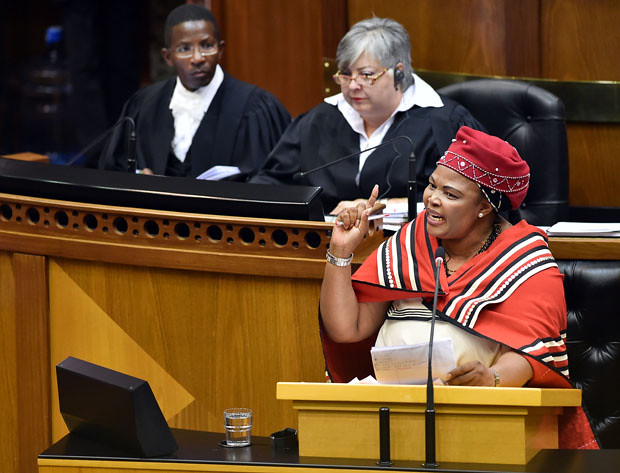
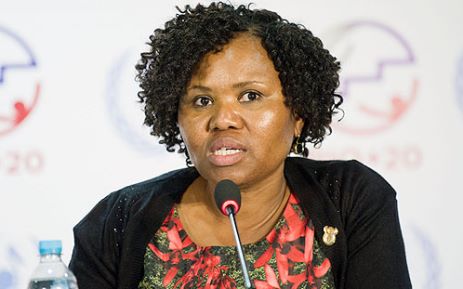
Minister Pemmy Majodina highlighted the challenges caused by municipal debts, leading to the closure of the Sedibeng Water Board in 2022. The department has transferred Sedibeng’s functions to other water boards but the underlying debt issue persists.
Majodina emphasized the need for standardized debt collection processes and incentives for municipalities to pay their bills to prevent financial strain on water boards like Magalies Water and Vaal Central Water.
Collaboration with other government departments is planned to find a sustainable solution to the problem, as non-payment by a few municipalities can have severe financial consequences for the water boards.
During the 2023/24 financial year, the National Government allocated R61.7 billion in water and sanitation-related grants to municipalities to address infrastructure backlogs and provide free basic water to the indigent. The water services sector is expected to be self-financing through water sales revenues.
The Department of Water and Sanitation plans to utilize its infrastructure for economic activities like tourism, recreation, and hydropower generation to support economic development, particularly in communities near dams.
Expressions of interest were sought for tourism and recreation activities at state dams, and applications for water use authorizations for hydropower generation received significant interest, with 40 authorizations already issued for floating solar panels. The remaining applications will be processed in the current financial year.










Facebook Comments