
Can SA Fix SADC? Lamola Takes Charge With Bold New Plan


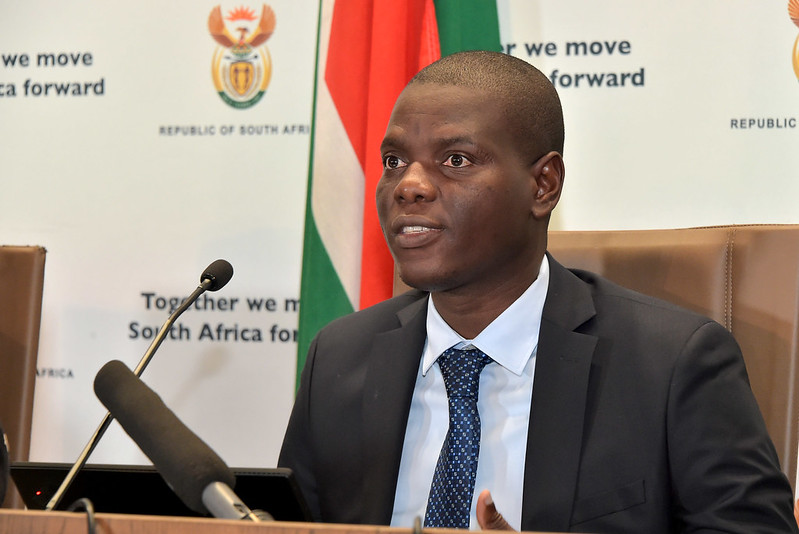
DURBAN — South Africa has officially assumed the Chairpersonship of the Southern African Development Community (SADC) Council of Ministers, signaling a major shift toward aggressive regional industrialisation and mineral beneficiation.

International Relations and Cooperation Minister Ronald Lamola formally accepted the mandate on behalf of the Republic of South Africa during a high-level meeting in Durban. The chairpersonship, which runs from 2026 to 2027, places South Africa at the helm of the regional bloc under the leadership of President Cyril Ramaphosa. Lamola emphasized that the role is a collective responsibility aimed at advancing the interests of the entire SADC community through solidarity and shared prosperity.
A primary pillar of South Africa’s tenure involves harnessing the region’s vast mineral wealth. Lamola highlighted that while the SADC region holds approximately 30 percent of the world’s proven critical mineral reserves, including half of the global cobalt supply, these resources have historically benefited foreign economies. The Minister called for a decisive move away from old patterns of extractive accumulation, urging member states to focus on beneficiation at source and the development of regional value chains to ensure local economies thrive.
The strategic agenda also addresses the urgent need for infrastructure development to support industrial growth. Lamola identified reliable energy, modern ports, and integrated digital networks as essential requirements for regional connectivity. He noted that manufacturing currently accounts for only 10 percent of the region’s GDP, a figure he argued must increase to provide employment for Africa’s rapidly growing youth population. By 2030, one in four young people globally will be African, necessitating a level of job creation that matches population growth.
On the sensitive issue of migration, the Minister acknowledged domestic concerns regarding irregular border crossings and pressure on public institutions. However, he maintained that migration must be managed within a lawful framework that protects human rights, rejecting all forms of vigilantism. South Africa intends to encourage member states to sign the protocol on the free movement of people to facilitate orderly migration, noting that regional labour has historically been a cornerstone of industrial development.
As the region’s most industrialised economy, South Africa has pledged to use its capabilities to bridge the gap between regional policy ambitions and institutional capacity. The Chairpersonship follows the tenure of Zimbabwe and arrives amidst a backdrop of global economic uncertainty and climate-related challenges. In a concluding gesture of regional solidarity, Lamola extended well wishes to Zambia for their elections held on 13 August, describing democracy as the cornerstone of development.
Anyone with additional information relating to this story can contact us through email press@townpress.co.za.