


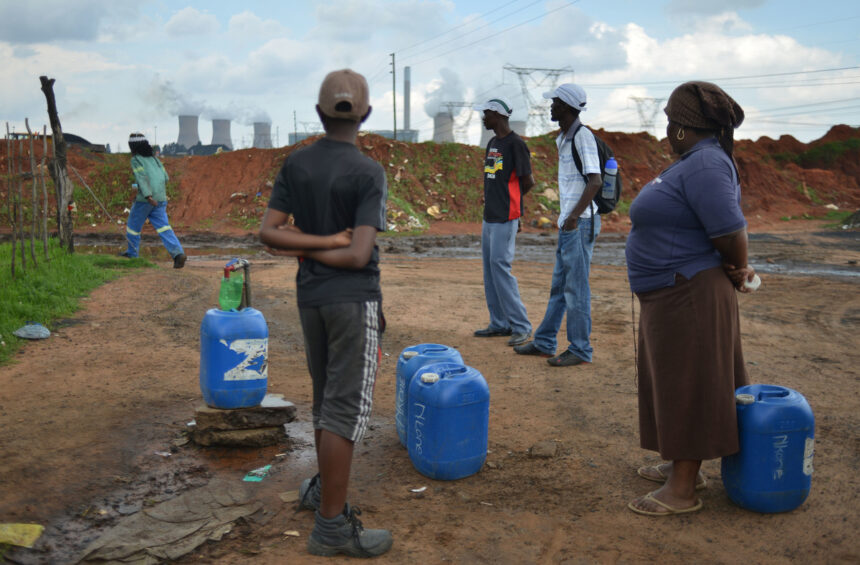
More than three decades after South Africa’s democratic breakthrough in 1994, many citizens say the promise of freedom has shifted from political rights to the basic need for reliable service delivery, particularly access to water.
While the Constitution guarantees essential rights such as dignity, equality and access to water, communities across the country are grappling with persistent shortages that have turned daily life into a struggle for survival.
The ongoing crisis has become a powerful symbol of this shift, with frustration over dry taps increasingly shaping public sentiment and political attitudes.
One of the most tragic examples is the death of Junaid Naidoo, who collapsed while fetching water in Durban’s Trenance Park in 2024. His death drew national attention, but residents say little has changed since then, with shortages continuing to affect daily life.
Community members say repeated promises from officials have failed to bring lasting solutions, leaving many feeling disillusioned. Some residents have expressed growing apathy towards voting, while others believe the crisis should influence future electoral choices.
The impact extends beyond households to livelihoods. Small business owners, particularly those operating from home, say unreliable water supply disrupts services and reduces income. Parents also face challenges maintaining basic hygiene for their families.
In urban areas such as Johannesburg, some residents have opted to relocate altogether due to prolonged water shortages, citing the financial burden of paying for services that are not consistently delivered.
Community leaders warn that the situation is eroding trust in political leadership, with some arguing that all parties have failed to address the issue effectively. Water tankers, often used as a temporary solution, are widely seen as insufficient.
Oversight bodies have also raised alarm. The South African Human Rights Commission has highlighted how inadequate water access undermines other fundamental rights, including education and health, and has called for stronger intervention.
Reports point to ageing infrastructure, poor maintenance, water losses and a shortage of skilled personnel as key drivers of the crisis, particularly at municipal level.
Environmental concerns are also mounting, with failing wastewater systems posing risks to rivers and public health.
Despite the challenges, some community leaders emphasise that democratic participation remains a tool for change, even as frustration grows.
For many South Africans, the meaning of freedom is evolving — from the right to vote to the expectation of basic services that support dignity and everyday life.













Facebook Comments