


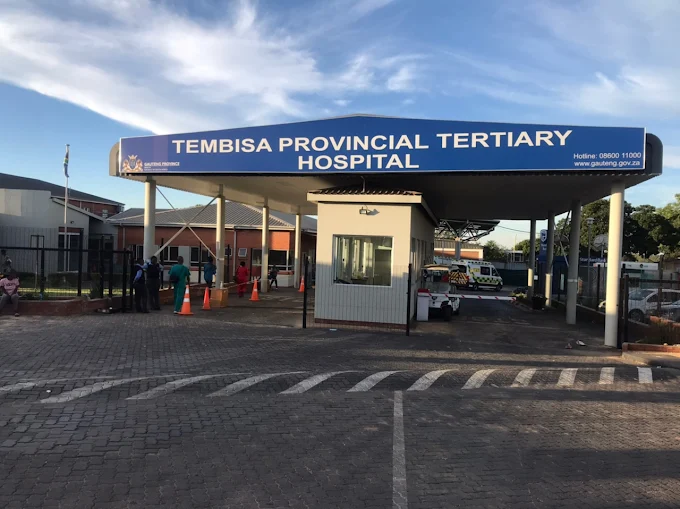
Johannesburg, South Africa – The unfolding scandal at Tembisa Hospital has taken another dramatic turn as two separate corruption cases linked to the troubled facility continue to expose deep weaknesses in public sector governance, financial oversight and law enforcement accountability.
In the first development, the Special Investigating Unit (SIU) confirmed that a Tembisa Hospital official has returned R13.5 million in allegedly irregular payments connected to dubious procurement deals flagged during an ongoing investigation into corruption at the facility. The SIU said the recovery forms part of a broader clampdown on inflated contracts and suspicious transactions that have plagued the hospital for years, particularly during the height of the COVID-19 procurement period.
According to investigators, the reclaimed funds relate to tenders that showed inflated pricing and questionable supplier relationships. The SIU has indicated that further recoveries and civil litigation are expected as part of its probe into systemic financial misconduct within the Gauteng health system. The recovery is being hailed as a rare but welcome example of clawing back public money lost to corruption.
While this recovery marks progress, a separate case has cast an even harsher spotlight on the culture of bribery and abuse of authority surrounding investigations into Tembisa Hospital.
In a deeply emotional court appearance earlier this week, a Hawks warrant officer was granted bail after being arrested for allegedly soliciting a R100 000 bribe to derail a corruption case linked to the hospital. According to court documents, the officer allegedly approached a man who had lodged a complaint about irregularities, demanding cash to ensure that the case “disappeared”.
The officer, who broke down in court, faces charges of corruption and defeating the ends of justice. His arrest has raised uncomfortable questions for the Hawks, the elite crime-fighting directorate responsible for tackling high-level corruption. Analysts say the incident reflects a growing crisis of credibility within law enforcement, where the very institutions tasked with dismantling corruption are at times implicated in protecting it.
Together, the two cases paint a troubling picture of how corruption can thrive in environments where oversight collapses, whistleblowers are intimidated or extorted, and internal checks fail to detect wrongdoing until long after the damage has been done.
For residents of Tembisa and Gauteng, the scandals deepen frustration with a health system already stretched by poor infrastructure, staff shortages and administrative mismanagement. Civil society groups are renewing calls for urgent reforms, independent oversight mechanisms and stronger protections for whistleblowers who continue to face intimidation for exposing wrongdoing.
Legal experts warn that unless systemic failures are addressed, individual arrests and financial recoveries — while important — will not be enough to prevent corruption from re-emerging in different forms across public healthcare institutions.

As court proceedings continue and the SIU expands its investigation, the Tembisa Hospital saga remains a stark reminder of the cost of corruption, not only in lost public funds but in the erosion of trust in the institutions meant to safeguard essential services.
Anyone with additional information relating to this story can contact us through email press@townpress.co.za
.












Facebook Comments