


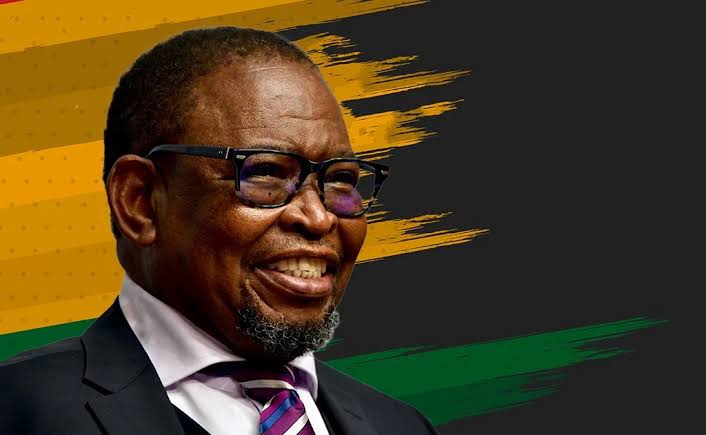
The decision to reverse South Africa’s planned increase in Value-Added Tax (VAT) is facing major legal and procedural obstacles. Although Finance Minister Enoch Godongwana recently announced the withdrawal of the 0.5 percentage point VAT hike (initially scheduled to take effect on 1 May) legal experts argue that reversing it at this stage may not be feasible due to parliamentary procedures already in motion.
The reversal involves the withdrawal and reintroduction of the Rates and Monetary Amounts and Amendment of Revenue Laws Bill (Rates Bill) without the VAT hike provision. Changes to the Appropriations Bill and Division of Revenue Billare also planned to reflect this shift.
These bills form a critical part of the fiscal framework, which sets the country’s tax and spending trajectory. However, the key challenge lies in the fact that this framework, including the VAT hike, has already been approved and adopted by Parliament.
Under existing legislation, specifically Section 7(4) of the VAT Act, the finance minister is authorised to announce a VAT change alongside the budget speech. However, there is no clear legal pathway to reverse such a change once it has been formally presented and passed. Even the publication of a revised Rates Bill does not undo the legal weight of what Parliament has already approved.
Legal professionals warn that the new draft bill is unlikely to be passed quickly enough to halt the implementation of the original VAT increase on 1 May. Consequently, unless a court steps in to issue an order blocking the hike, it remains legally binding.
This uncertainty has led to confusion across various sectors. Businesses, which had already begun adjusting their pricing structures to accommodate the 15.5% VAT rate, were caught off guard by the minister’s announcement. Some have since reversed these changes, reverting to the current 15% rate. However, legal observers note that such a reversion has no legal basis unless supported by new legislation.
The Consumer Goods Council of South Africa (CGCSA) echoed these concerns, stating that while the minister’s announcement signalled a reversal, clarity is needed on when the necessary legislative changes will be enacted.
Businesses have already invested heavily in preparing for the VAT hike, costs that were absorbed rather than passed on to consumers. Reversing the hike would incur further expenses, particularly troubling if government decisions continue to shift unpredictably.
Despite the confusion, there is one sign of progress: the South African Revenue Service (SARS) has removed all materials referencing the 15.5% VAT rate, including its FAQ and guides. Although this does not change the legal status of the hike, it suggests a practical halt in implementation—at least temporarily.

Meanwhile, the broader budget process has been thrown into disarray. Economists note that withdrawing and redrafting key fiscal bills has the effect of undoing the entire budget. This raises questions about the legitimacy of the previously approved fiscal framework, which passed in Parliament with a slim majority, thanks to support from most Government of National Unity (GNU) members and opposition parties like Action SA and BOSA. This support was reportedly based on the understanding that the budget process would not be restarted, but merely amended to exclude the VAT hike.
Ironically, the outcome appears to be a full reset of the budget, as revisions will now be required to accommodate expenditure cuts. According to economic analysts, a new budget will likely have to be tabled because the current fiscal framework—once approved—cannot be altered without starting the process over.














Facebook Comments