


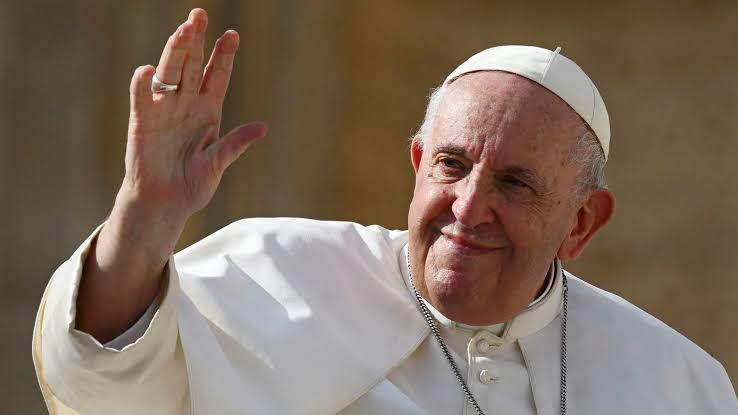
The Vatican has confirmed that Pope Francis’s funeral will take place on Saturday at 12:00 pm (midday) SAST in St Peter’s Square. The 88-year-old pontiff passed away on Monday after suffering a stroke, less than a month after returning home from a five-week hospital stay where he was treated for double pneumonia.
World leaders, including United States President Donald Trump and French President Emmanuel Macron, have confirmed their attendance, while Ukrainian President Volodymyr Zelensky is also expected to be present. The funeral is likely to attract large crowds.
After the funeral service, the pope’s coffin, which he requested to be made of wood and zinc, will be taken into St Peter’s Basilica and later transferred to the Basilica of Santa Maria Maggiore in Rome for burial. This burial site sets him apart as the first pope in over a century to be laid to rest outside Vatican grounds.
On Tuesday morning, the College of Cardinals held its first general congregation, marking the beginning of the formal process to elect a new pope. Cardinals under the age of 80 are eligible to participate in the conclave, which must be held between 15 and 20 days after the pope’s death.
The Vatican released the first images of Francis lying in repose in the chapel of Casa Santa Marta, the residence where he lived throughout his papacy and where he died. Dressed in traditional papal red vestments and a mitre, he held a rosary in his hands. His body will lie in state at St Peter’s Basilica from Wednesday morning to allow the public to pay their respects.
Legacy of Reform and Inclusion
Born Jorge Bergoglio in Argentina, Francis was the first pope from the Americas and the first Jesuit to lead the global Catholic Church. Known for his efforts to reform church governance and promote inclusivity, he championed the rights of migrants, environmental protection, and social justice. However, he maintained the Church’s positions on sensitive issues such as abortion and priestly celibacy.
During his 12-year papacy, Francis also worked to increase transparency in Vatican finances and advocated for greater involvement of laypeople and women in Church affairs. In response to the widespread abuse scandals, he ended the use of pontifical secrecy and introduced mandatory reporting within Church structures, though some victims’ organisations felt these measures were insufficient.
Despite recent health challenges, Francis continued to make public appearances and remained actively engaged with his followers. On Easter Sunday, he appeared visibly fatigued but still addressed the crowd in St Peter’s Square.
Ongoing Tributes and Mourning
In the hours following his death, mourners gathered in the square, bringing flowers and candles to honour his legacy. Many remembered him for his inclusive vision and his message that faith should transcend race, identity, and background.

Argentina has declared a week of national mourning, while India has announced three days of official mourning in recognition of his global influence. According to his will, Pope Francis requested a simple tomb, bearing only his Latin name, Franciscus.
His death certificate confirmed the cause of death as a stroke, which led to a coma and irreversible heart failure. Although he had been advised to rest after his hospitalisation, he continued to fulfil his duties until his final days.
His passing has prompted tributes from all over the world, including from Argentine footballer Lionel Messi, who acknowledged the pope’s efforts to create a more compassionate world.








Facebook Comments