



Eskom has announced that Stage 3 loadshedding will be implemented from today at 14:00 until Monday, 10 March 2025, at 05:00.
The decision follows a loss of 2,700MW over the past 14 hours, including the shutdown of Koeberg Unit 2, which had only recently been brought back online on Wednesday.
Additionally, two Kusile Units experienced disruptions in coal operations due to adverse weather conditions. Planned maintenance outages, crucial for winter preparations and regulatory compliance, are also ongoing.
The strain on capacity has led to an increased reliance on emergency reserves throughout the week, making it necessary to prioritise replenishing these resources over the weekend in preparation for the upcoming business week.
Eskom is deploying additional engineering resources to expedite repairs on offline units, with an estimated 6,200MW expected to be restored by Monday’s evening peak.
The escalation to Stage 3 loadshedding occurred while the grid was already under pressure. However, Eskom’s Summer Outlook, published on 26 August 2024, remains unchanged.
Eskom’s Group Executive for Generation, Bheki Nxumalo, reaffirmed the company’s commitment to avoiding a return to the severe loadshedding levels of 2023.
“Two years into delivering the generation recovery plan, that will bring an end loadshedding, we are at a challenging time and the full force of our highly skilled engineering resources are deployed and focussed,” he said.
Nxumalo also noted delays in returning previously tripped units to the grid, as well as the longer-term outages of three units that are expected to add 2,500MW in the coming weeks.
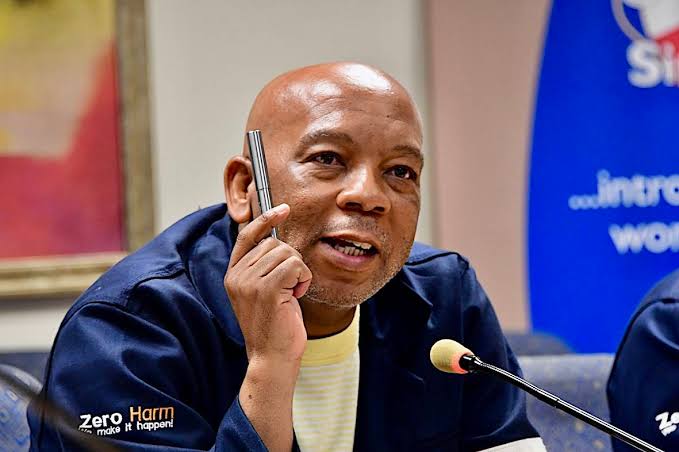
Eskom Group Chief Executive, Dan Marokane, acknowledged the impact of loadshedding, calling it a “painful reminder of the past.”
However, he emphasised the progress made, highlighting that from 1 April 2024 to 27 February 2025, loadshedding was suspended for 325 days (7,871 hours), compared to just 32 days (2,103 hours) during the same period the previous year.
As a result, electricity supply was available 98% of the time, a significant improvement from the 9.6% recorded last year, largely due to deep maintenance efforts in summer 2023/2024.
Marokane reiterated that loadshedding is “largely behind us” due to structural improvements in the generation fleet. While baseload capacity remains constrained, the ongoing generation recovery plan is addressing these challenges.
Achieving a stable energy availability factor of 65%–70% will significantly reduce the risk of loadshedding, he added.
Eskom will continue to monitor the situation and provide further updates as necessary.














Facebook Comments