


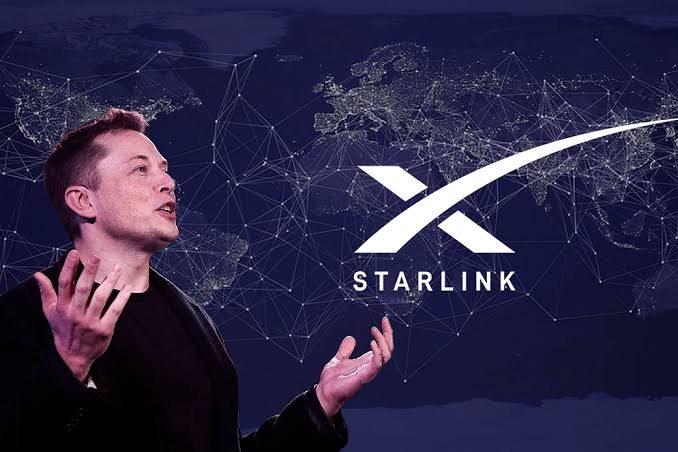
Negotiations over licensing SpaceX’s Starlink service in South Africa have stalled due to ongoing tensions between the country and the administration of US President Donald Trump.
According to a recent report, unnamed sources familiar with the matter stated that negotiators plan to hold off discussions until the diplomatic dispute between South Africa and the US eases, with the intention of revisiting a potential deal in the future.
SpaceX, owned by billionaire and Trump ally Elon Musk, has been seeking regulatory approval to operate in South Africa for some time.
However, the process has been hindered by the country’s licensing requirements, which mandate that foreign telecom companies allocate a 30% stake to historically disadvantaged South Africans.
Instead of complying with this requirement, SpaceX proposed an “equity equivalence” model, where it would make alternative investments aligned with South Africa’s black economic empowerment (B-BBEE) programme rather than selling a stake in its local operation. This request has contributed to the delays in licensing negotiations.
Communications Minister Solly Malatsi previously urged the Independent Communications Authority of South Africa (Icasa) to review its regulations and consider allowing equity equivalence in licensing satellite services. He argued that such a change would not only benefit Starlink but also encourage broader foreign investment in the sector.
Malatsi has repeatedly emphasised that his request is not specifically aimed at aiding Starlink but is intended to create a more favourable investment climate in the industry.
Equity equivalence programmes are already recognised in other sectors, and he believes the same principle should apply to telecommunications.
Amid these regulatory challenges, SpaceX recently withdrew from Icasa’s public hearings on the proposed new satellite licensing framework.

The company had been scheduled to present its position earlier this month but pulled out at the last minute, further complicating the licensing process.
SpaceX’s withdrawal came shortly after Musk posted on his social media platform, X, questioning why South Africa had what he described as “openly racist ownership laws.”
The comment has further strained relations between Musk and the South African government. Presidential spokesperson Vincent Magwenya told reports that South Africa would not compromise its policies simply to accommodate Starlink’s investment.
“If a leading business figure like Elon Musk harbours the kind of unprogressive, racist views that we’ve witnessed and the peddling of lies that we’ve been confronted with, then we’re not going to pursue having his investments,” Magwenya reportedly stated.
In its written submission to Icasa ahead of the hearings, SpaceX argued that the 30% local shareholding requirement posed a significant barrier to foreign satellite operators, particularly those with direct-to-consumer business models.
The company maintained that many global satellite providers have policies that prevent local ownership, making them ineligible to operate in South Africa despite their willingness to invest in B-BBEE initiatives.
“By aligning the licensing and ownership regulations with the ICT sector code – which recognises equity equivalent programmes as an alternative to local shareholding – Icasa could remove a significant barrier to foreign satellite operators. This would not only increase foreign investment in South Africa but would also create broader industry benefits, supporting innovation, competition and long-term growth,” SpaceX stated.
The future of Starlink in South Africa remains uncertain, with regulatory and political tensions continuing to stall progress.











Facebook Comments