


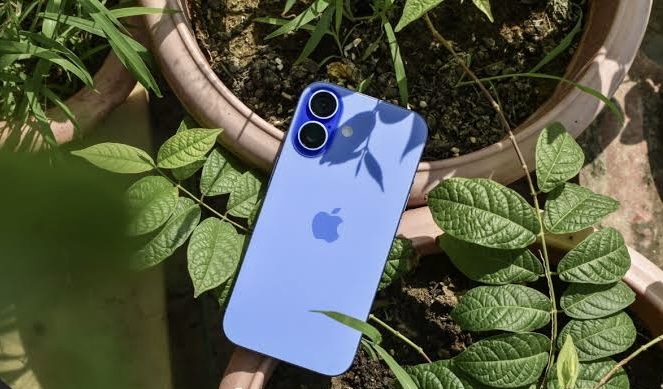
Indonesia has taken significant action by banning the marketing and sale of the Apple iPhone 16, citing Apple’s failure to comply with local investment and regulatory requirements.
According to the country’s industry ministry, Apple has not met the mandate that 40% of the components used in electronic devices sold by international tech companies must be sourced locally.
Industry Minister Agus Gumiwang Kartasasmita announced earlier this month that Indonesia is still waiting for Apple to fulfill its commitment to invest 1.71 trillion Indonesian Rupiah (approximately R2 billion) in the country, an amount deemed necessary to meet the 40% sourcing requirement.
Since 2016, Indonesia has legally required smartphone and tablet manufacturers to either source a portion of their components domestically or invest an equivalent amount to sell their products in the country.
This policy is outlined in the Provisions and Procedures of the Calculation of the Value of Domestic Component Level (TKDN) regulation.
Despite ongoing negotiations, including a visit from Apple CEO Tim Cook in April to explore investment opportunities and reduce reliance on China, Apple has yet to fulfill its investment commitment required for certification, according to Febri Hendri Antoni Arif, a spokesman for the industry ministry.
While smartphone enthusiasts in Indonesia can import the iPhone 16 for personal use—often from China—they face high import fees.
The ministry estimates that only about 9,000 units of the iPhone 16 have entered Indonesia since its launch, which has a population of around 280 million.
“The iPhone 16 devices imported by registered importers cannot yet be marketed domestically, and it would be illegal to do so,” said Arif.

The loss of the Indonesian market could be a significant blow for Apple, especially as the global launch of iOS 18.1 and its new AI platform, Apple Intelligence, has generated considerable interest worldwide.
Indonesia, as Southeast Asia’s largest economy, is home to over 100 million tech-savvy individuals under the age of 30, making it a n important market for technology companies.













Facebook Comments