


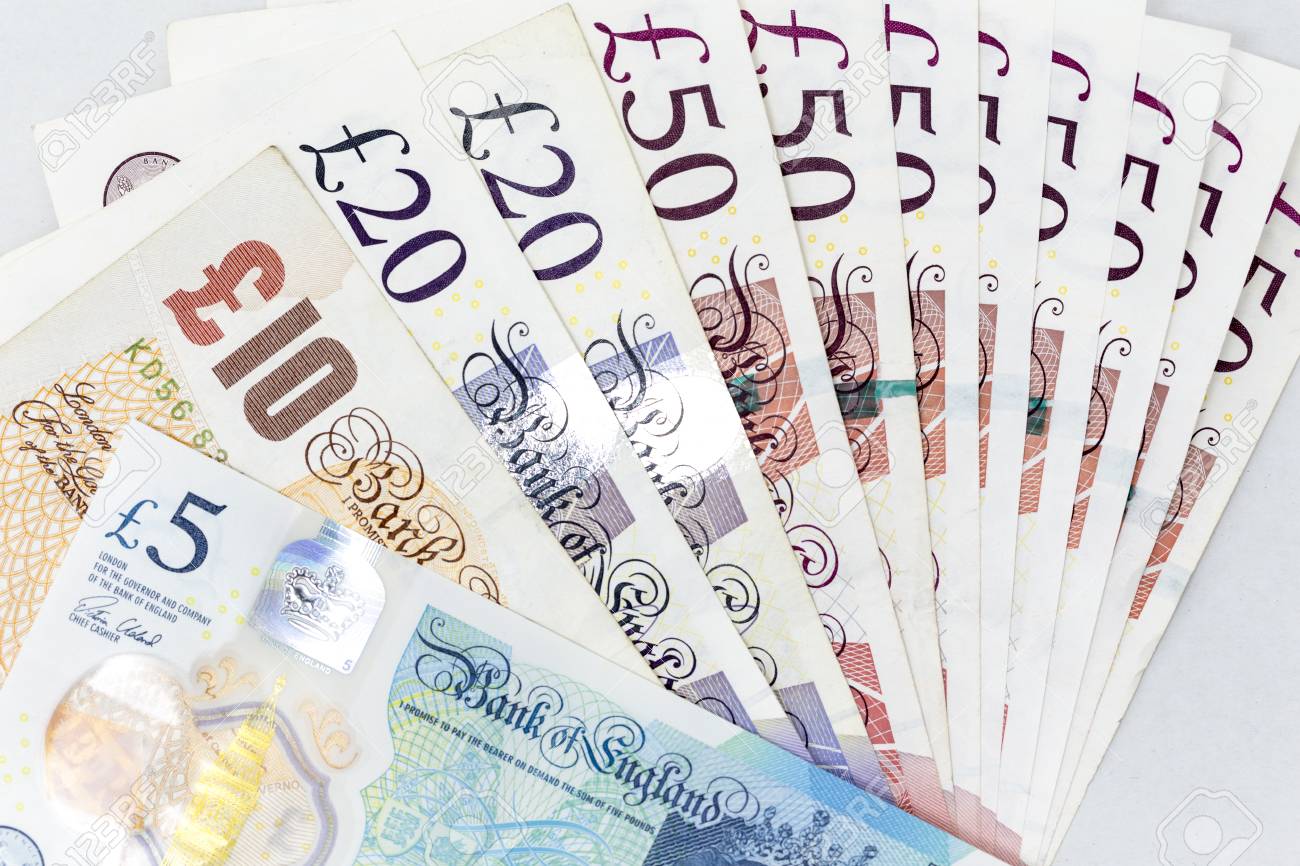
Markets were calmer following recent turbulence, but the pound was up 0.2% against the dollar at $1.2856 after statistics showed Britain’s economy expanded by 0.6% in the second quarter of 2024, in line with economists’ estimates and building on a quick 0.7% rebound in the first quarter of the year
The pound also strengthened against the euro, which fell 0.2% to 85.66 pence.
The euro remained stable against the dollar at $1.10090, reaching $1.10475, its highest level this year, on Wednesday as markets digested US inflation data.
The consumer price index climbed mildly, as expected, and the annual increase in inflation fell to less than 3% for the first time since early 2021.
The statistics, together with the moderate increase in producer prices in July, imply that inflation is on the decline, albeit traders now expect the Fed to be less active in cutting interest rates than they had hoped.
The next data point is US retail sales, which are scheduled at 1230 GMT on Thursday.
“Monetary easing is certainly getting closer, but the market is framing it in the context of what we saw at the start of last week, when expectations for the Fed shifted dramatically,” said Jane Foley, head of FX strategy at Rabobank.
“Rather than perhaps being excited at the prospect of a move some are disappointed that we might not get a 50 basis point cut.”
According to the CME FedWatch tool, markets are now pricing in a 64% chance of a 25 basis point decrease next month and a 36% possibility of a 50 basis point reduction. At the start of the week, traders were evenly split between the two cut options following last week’s sell-off.

“As the market tries to clarify the extent of the Fed’s rate cuts in the remainder of the year, retail sales will be pulled apart, and we also have Walmart earnings which will add some flavour to the economic data,” Foley told investors.
The yen remained stable at 147.21 per dollar as statistics showed Japan’s economy expanded by a faster-than-expected annualized 3.1% in the second quarter, owing to a strong pickup in consumption, implying another near-term rate hike is on the table.
While the yen has retreated from the seven-month high of 141.675 per dollar reached during last week’s market turmoil, it is still considerably above the 38-year low of 161.96 reached at the beginning of July.
Tokyo’s action early last month, followed by a surprise rate hike by the Bank of Japan at the end of July, caught investors off guard and pushed the yen higher.
The Norwegian crown traded at 11.783 per euro and 10.695 per dollar as the country’s central bank kept interest rates unchanged.
The Australian dollar rose 0.36% to $0.6620 as statistics indicated that Australian employment surpassed expectations in July, even as the unemployment rate moved up to a two-and-a-half year high.
The strength of labour demand may support the Reserve Bank of Australia’s (RBA) argument that a rate drop is unlikely this year given how sticky inflation is.
In other news, China’s yuan dropped against the dollar, pulled down by disappointing statistics showing that manufacturing output growth stalled and fell short of expectations in July.
















Facebook Comments