The $3.5m tequila bottle has a story beyond the spirit


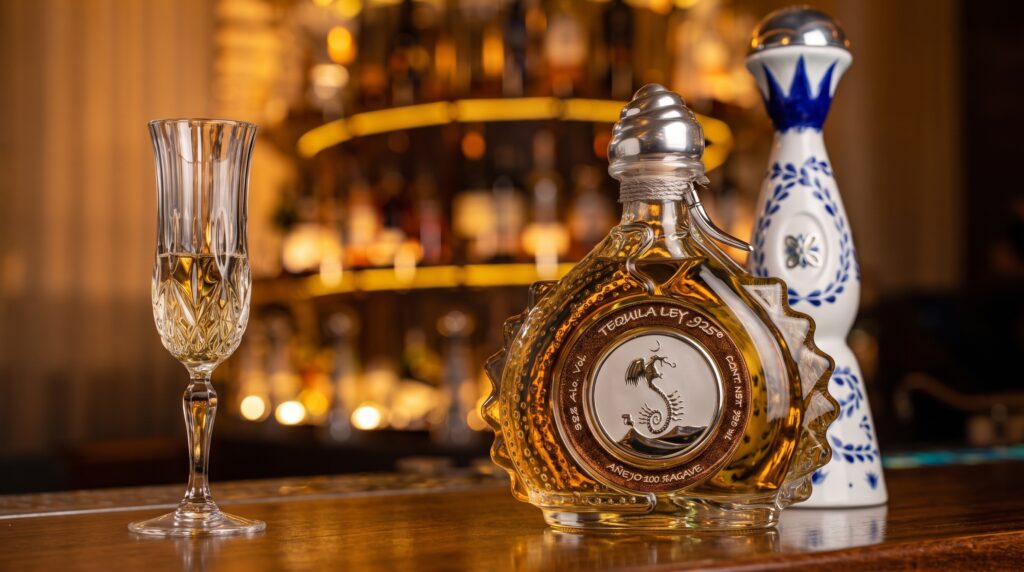
JOHANNESBURG — At the extravagant end of the tequila market, the container can become as much of a talking point as the drink. Tequila Ley .925’s Diamante is promoted with a valuation of US$3.5 million, putting it closer to a luxury collectable than an ordinary bottle purchased for an evening’s entertainment. That advertised valuation should not be confused with a verified sale at the same price.

For luxury spirits, the purchase can combine several interests: the liquid, its production history, the brand and the object placed on the table. Upscale Living quoted Amathus commercial director Tom Miller describing distinctive bottle designs as part of the category’s appeal. A decorated vessel remains on display long after its contents have been consumed, giving packaging an unusually visible role in the experience.
Clase Azul Reposado illustrates that combination. Its ceramic decanter is made and painted by Mexican artisans, while the tequila is aged for eight months in American whiskey casks. South African distributor Captain Liquor lists the expression locally, describing each handmade decanter as an individual piece. The craftsmanship of the container is therefore part of the product being sold alongside the spirit.
Don Julio 1942 takes a different visual approach with its tall bottle and emphasis on the founder’s history. The name commemorates the year Don Julio González began making tequila. The brand’s current US product information describes maturation of more than 24 months in former bourbon American white oak casks.
Komos Extra Añejo adds another production approach to the comparison. Its producer says the tequila matures for at least three years in French oak white-wine barrels and American oak whiskey barrels. The brand also uses handmade bottles finished with a reactive glaze, which changes during firing and gives individual vessels their own appearance.
These examples show why an expensive tequila cannot be assessed through price alone. Barrel selection and maturation describe the production process; ceramic work and precious materials describe the packaging. A buyer interested primarily in flavour may place a different value on those elements from someone purchasing a display piece or a gift.
For South African readers, international dollar and pound figures also need care. Bottle size, the exact expression and local retail availability must match before prices can be compared meaningfully. A historical overseas listing is insufficient to establish a current rand price.
The most useful way to read a luxury tequila label is to separate what is known about the drink from what is claimed about its exclusivity. A multimillion-dollar valuation makes a striking headline, but it does not demonstrate that the liquid offers a proportionate improvement in taste. At this level, the purchase is partly about ownership of an exceptional object, and buyers should understand how much of the story sits outside the bottle.
Anyone with additional information can contact the press desk at press@townpress.co.za or drop a tip on our annonymous platform https://tips.townpress.co.za/