Soweto screening led to a film ban across South Africa


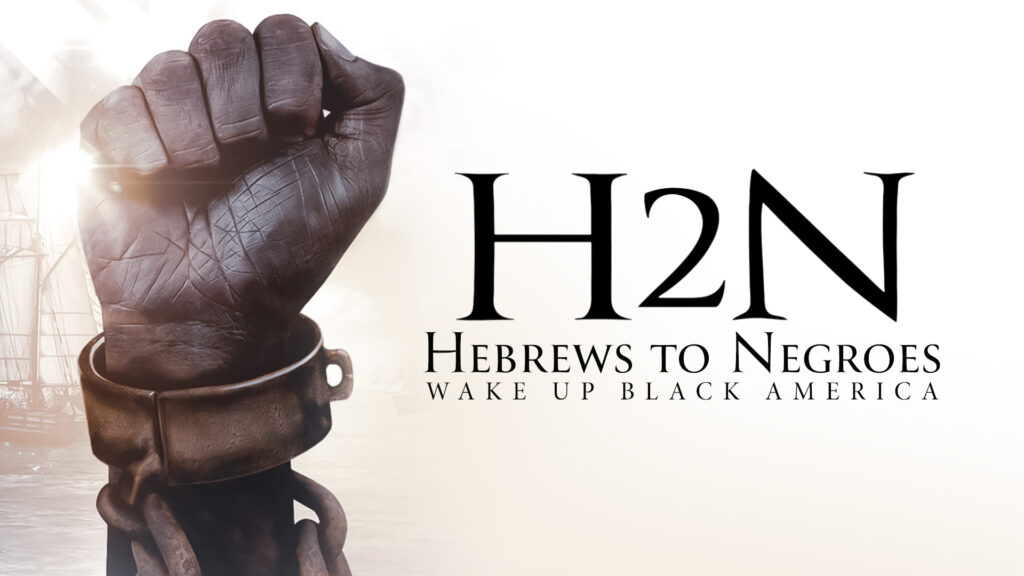
PRETORIA — A June 2023 screening at the Soweto Theatre brought Hebrews to Negroes: Wake Up Black America to the attention of the South African Jewish Board of Deputies, whose complaint led to a nationwide ban on distributing the film. The Film and Publication Board (FPB) found that the film’s Holocaust denial and portrayal of Jewish people amounted to advocacy of hatred and incitement to cause harm. The regulator made its decision on 19 December 2025 and published it in the Government Gazette on 23 October 2026.

Why the board refused classification
The Jewish Board of Deputies complained that the film used racist stereotypes and antisemitic conspiracy theories to promote hatred on the grounds of religion and ethnicity. In its findings, the FPB cited passages that dehumanised Jewish people and presented the Holocaust as a fabrication. It also identified repeated racial slurs directed at Black and Indian people.
The producers presented the US film as a documentary. The regulator considered that claim in its decision, finding that the denial of an established historical event undermined the film’s claim to historical accuracy. Its refusal to grant a classification rules out distribution even to adult audiences.
What the ruling means for distributors
Government Gazette 55620 identifies The NegroNetwork, Inc. as the distributor. Under the notice, anyone who knowingly broadcasts or distributes the film, screens it in public, advertises it or offers it for sale or hire can face prosecution. On conviction, the maximum penalty is a R500,000 fine, five years in prison, or both.
Distributors were asked to remove the film from platforms serving South Africa, the South African Jewish Report reported in January. The FPB provides a process for appealing classification decisions.
The practical limit of the ruling is what the regulator can trace once a copy is in circulation. Removing a title from a streaming catalogue leaves open the possibility that users may continue sharing it through peer-to-peer networks or use a VPN to reach a foreign catalogue. The available reporting does not establish whether the FPB can identify individual users, whether anyone in South Africa accessed this film on Prime Video through a VPN, or how many people watched or shared it.
Anyone with additional information can contact the press desk at press@townpress.co.za or drop a tip.