South Africa has 2,400 problem buildings and one major obstacle


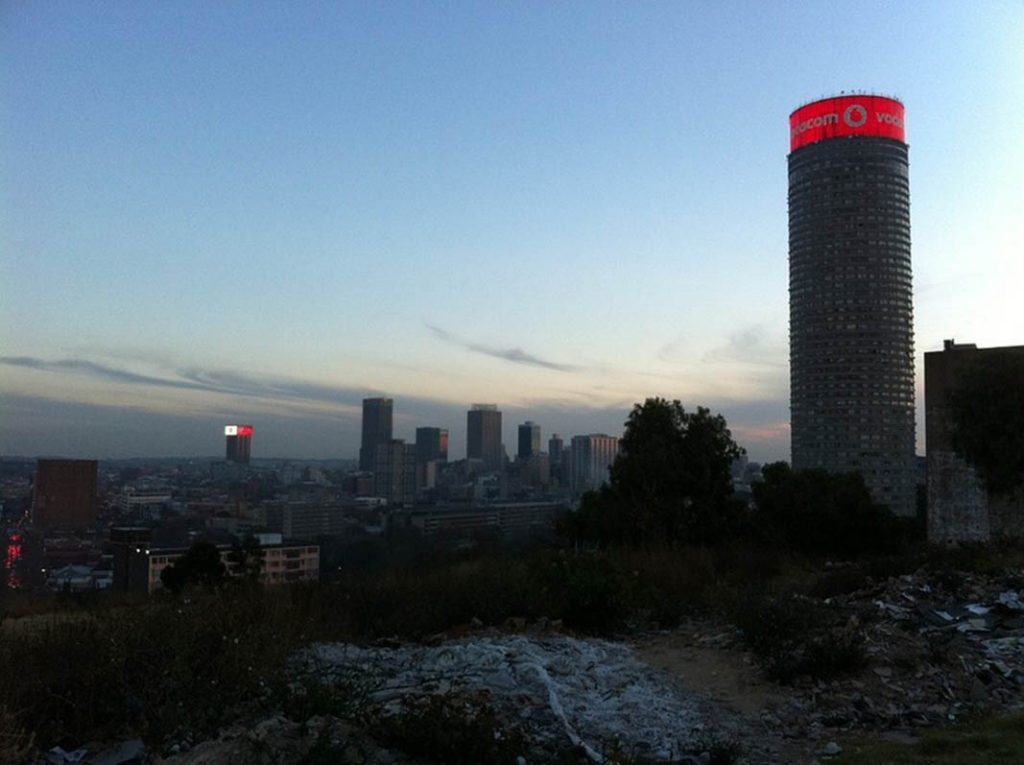
JOHANNESBURG — South Africa’s eight metropolitan municipalities have identified about 2,400 non compliant buildings, but government says efforts to reclaim some of them are being stalled because cities do not have funded emergency accommodation for people who would be left homeless by evictions.

The finding comes from the Inter Ministerial Committee on Migration Management, which reviewed the scale of bad and hijacked buildings across Johannesburg, Tshwane, Ekurhuleni, eThekwini, Nelson Mandela Bay, Mangaung, Buffalo City and Cape Town.
Justice and Constitutional Development Minister Mmamoloko Kubayi said municipalities generally have the bylaws and enforcement mechanisms required to act against problem buildings. The difficulty arises when courts grant eviction or remediation orders that cannot lawfully be executed without accommodation being available for affected occupants.
“The constraint lies at, among other things, the point of execution because court orders for eviction or remediation cannot lawfully be carried out because municipalities have no funded temporary emergency accommodation to place occupants in,” Kubayi said.
Government has now prioritised three interventions. Human Settlements will develop a national funding model for temporary emergency accommodation, the Justice Department will prioritise hijacked building matters before Magistrates’ and High Courts, and Cooperative Governance will establish a common definition and reporting system for the problem across metros.
The distinction between non compliant and hijacked buildings is important. The approximately 2,400 properties identified are not necessarily all controlled by criminal syndicates. The figure includes buildings with different forms of regulatory non compliance, while government says some abandoned and hijacked properties have become centres for illegal rent collection, drug dealing, human trafficking, illicit goods trading and other criminal activity.
The problem is also costing municipalities money. Mayors told the committee that affected buildings contribute to lost revenue through unpaid rates and excessive water and electricity consumption, particularly where properties are occupied beyond their approved capacity.
Kubayi said law enforcement operations will target criminal syndicates operating buildings and exploiting occupants. At the same time, municipalities have proposed converting vacant and underused properties into affordable rental and student accommodation to prevent further inner city deterioration.
The challenge is that authorities cannot solve the problem through mass evictions alone. Where an eviction would result in homelessness, municipalities may have an obligation to provide temporary accommodation, leaving cities caught between enforcing court orders and finding the money and space to accommodate displaced residents.
Government’s proposed national funding model is intended to break that deadlock. With about 2,400 non compliant buildings now identified across the metros, the bigger test will be whether the intervention results in dangerous properties being reclaimed, criminal operators removed and buildings returned to productive use.
Anyone with additional information can contact the press desk at press@townpress.co.za.