Saudi attacks could hit economies worldwide, IMF warns


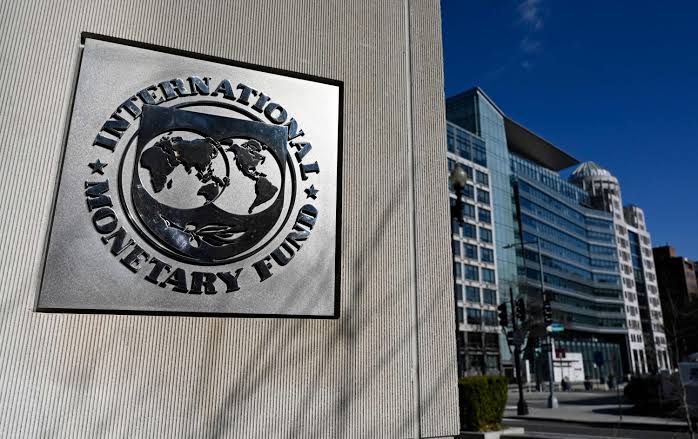
JOHANNESBURG — Attacks on Saudi Arabia could carry economic consequences far beyond the Middle East, the International Monetary Fund has warned, as damage to infrastructure and disruption to transport threaten energy supplies and raise costs.

IMF managing director Kristalina Georgieva issued the warning on 14 October during the IMF–World Bank annual meetings in Bangkok. Her remarks concern the potential international effects of the conflict, rather than a prediction that every country will suffer the same losses.
“The Saudi economy is important for the region and the world,” Georgieva said, warning of “potentially negative spillovers for everybody, everywhere.”
Her comments followed an escalation involving Yemen’s Houthi forces and Saudi Arabia, with attacks reported against airports and energy facilities. The fighting adds pressure to a region already experiencing disruption linked to the wider Middle East conflict.
Georgieva has identified several ways regional instability affects economic activity: restricted oil and gas exports, damage to production infrastructure, weaker trade and business confidence, and higher prices for essential goods. She also acknowledged that Gulf countries’ economic diversification and financial buffers had helped them withstand the pressure.
For South Africa, the principal exposure is through international energy markets and transport costs. Higher petroleum prices can increase pressure on motorists, freight operators and businesses moving goods. Any effect on local pump prices would also depend on the rand and other components of the domestic pricing calculation.
The warning should not be read as confirmation that Saudi exports have stopped. Data reported by Reuters on Wednesday showed that crude exports rose in August despite falling production. That historical increase does not establish the effect of subsequent attacks, but demonstrates why actual shipment data must be distinguished from fears about future disruption.
Businesses therefore face uncertainty over both physical supply and the additional costs of operating around conflict. The scale of the fallout will depend on whether energy infrastructure continues functioning, export routes remain available and further attacks can be contained.
Georgieva’s warning places the economic stakes beyond the immediate battlefield: prolonged disruption could reach households through fuel, transport and the prices of goods they buy.
Anyone with additional information can contact the press desk at press@townpress.co.za or drop a tip on our annonymous platform https://tips.townpress.co.za/