SA plans asylum receipt that will protect holders from removal


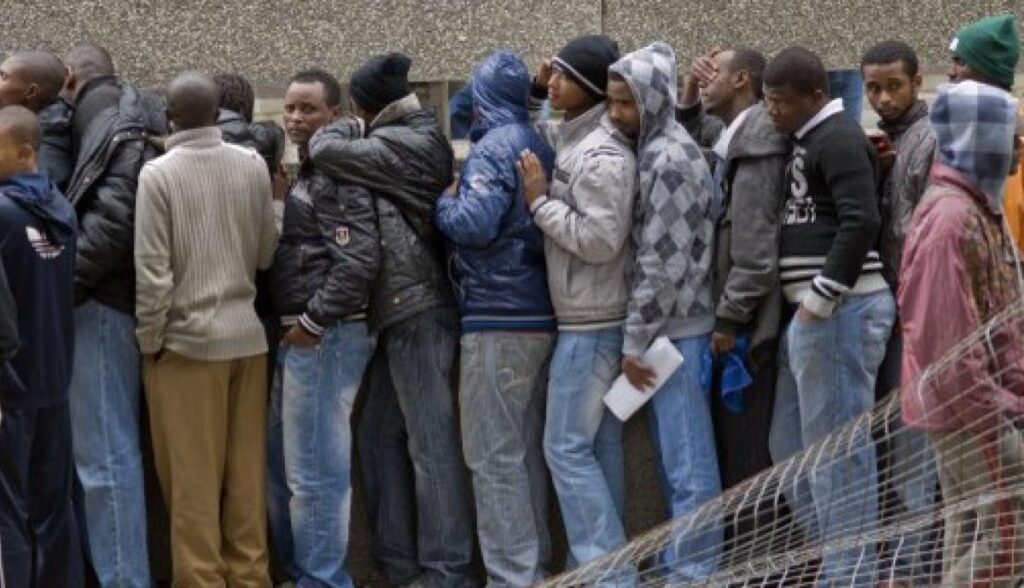
PRETORIA — Asylum seekers will be able to register their intention to apply for protection through a planned biometric online system and receive a receipt intended to protect them from removal while their claims are processed. Home Affairs expects to introduce the system by 10 November, as government seeks court guidance on implementing a Constitutional Court ruling affecting asylum procedures.

The receipt will record an applicant’s personal particulars, biometric information, reference number and appointment at a Refugee Reception Office. It will provide evidence that the holder has declared an intention to seek asylum, but will not constitute a section 22 asylum seeker visa or recognition of refugee status. The proposal therefore creates a registration step before the substantive application is lodged and decided.
Announcing the measures at an Inter-Ministerial Committee on Migration briefing on Sunday, government said officials would be instructed not to remove valid receipt holders, or arrest or detain them solely for being in South Africa without a visa, pending the lodging and final determination of their applications. The arrangements are intended to give practical effect to protection against forced return to persecution or serious harm.
That protection will apply to people registering an intention to make a first asylum application. Someone whose claim has been finally rejected will not regain protection simply by declaring another intention to apply. However, a specific, genuinely new claim that removal would expose the person to persecution or serious harm must be referred for legal advice before removal.
Assisted registration will be available at Refugee Reception Offices and, on request, for people in police or immigration detention through officials, legal representatives and civil society partners. Government also promised confidentiality safeguards, published service standards and a complaints mechanism. Applicants who miss appointments without seeking an extension will lose those appointments.
Home Affairs Minister Leon Schreiber said biometric checks would help verify identities and detect previously rejected applications. The platform would also check the authenticity of travel documents. He estimated the asylum appeals backlog at approximately 120,000 cases, while cautioning that the department still needed to provide a confirmed figure.
According to Schreiber, initial applications were being processed in approximately 30 days, with the main delays arising on appeal. He said the department had reduced the appeals backlog by about 20% during the previous financial year and brought in 74 advocates to strengthen processing capacity. Digital registration would also help establish how many applicants the department must accommodate.
The reforms follow a 7 July Constitutional Court judgment which, according to government’s account, struck down Refugees Act provisions permitting deportation of asylum seekers without transit visas. Government intends to seek a supervisory order and guidance on any suspension period needed to build implementation capacity. IMC chair Mmamoloko Kubayi said the aim was sustainable compliance; the committee acknowledged that the existing order remains binding while further guidance is sought.
A separate Gauteng High Court hearing on 29 October will consider conflicting directives concerning asylum seekers. Schreiber stressed that the Constitutional Court ruling did not grant refugee status or citizenship, and that Home Affairs retained responsibility for deciding claims. For applicants, the immediate change will be a documented route to declare an intention to seek protection, while the courts address how government must implement the ruling.
Anyone with additional information can contact the press desk at press@townpress.co.za or drop a tip on our annonymous platform https://tips.townpress.co.za/