
Putin offers Africa more than raw-material deals at summit


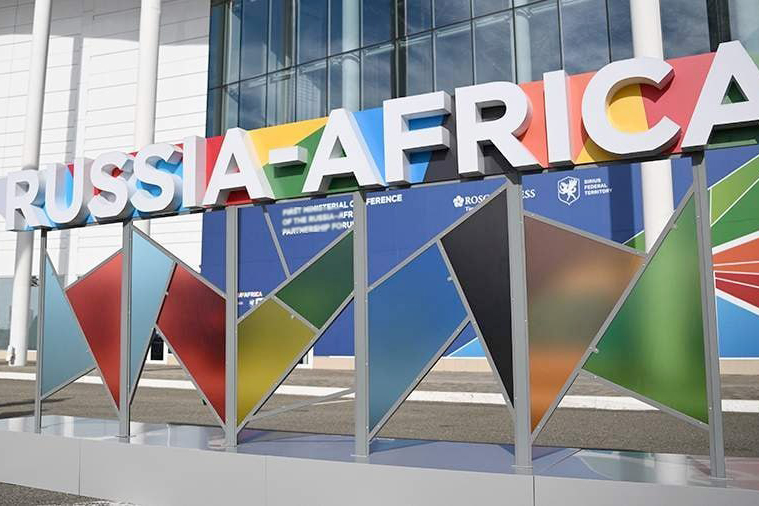
MOSCOW — Russian President Vladimir Putin has offered African leaders a partnership focused on local manufacturing, technology transfer and infrastructure, saying Moscow wants to process resources on the continent rather than simply extract them. Speaking at the Russia-Africa Summit on 28 October, he presented those commitments as an alternative to what he described as Western exploitation.

Delegations from 48 African countries are attending the two-day gathering, with discussions covering trade, security, agricultural supplies and arms. The summit forms part of Russia’s effort to strengthen international relationships while facing Western pressure over its war in Ukraine.
Local production central to Moscow’s offer
Putin said Russia was prepared to share expertise, support transport and agricultural infrastructure, and expand grain and fertiliser supplies. He argued that processing raw materials locally would create employment and generate tax revenue for African countries.
For African governments, the distinction is significant: exporting resources and developing domestic processing industries offer different opportunities for employment, skills and industrial growth. However, the summit remarks alone do not establish which projects will proceed, their financing terms or how much work will go to local businesses.
Security ties complicate the partnership
Russia’s expanding role extends beyond commerce. African military governments that have broken with Western partners have turned to Russian security assistance, including the Defence Ministry-controlled Africa Corps, which followed the Wagner group’s operations.
Burkina Faso’s prime minister, Rimtalba Jean Emmanuel Ouédraogo, defended cooperation with Moscow as transparent and respectful of African cultures. Western governments, meanwhile, accuse Russian forces of supporting military juntas to strengthen Moscow’s influence. Russia rejects that characterisation.
Putin also backed stronger African representation in the International Monetary Fund and World Bank. The practical test for participating governments will be whether the diplomatic commitments produce agreements that expand local capacity on terms they can sustain.
Anyone with additional information can contact the press desk at press@townpress.co.za or drop a tip.