Legendary South African singer Babsy Mlangeni dies at 83


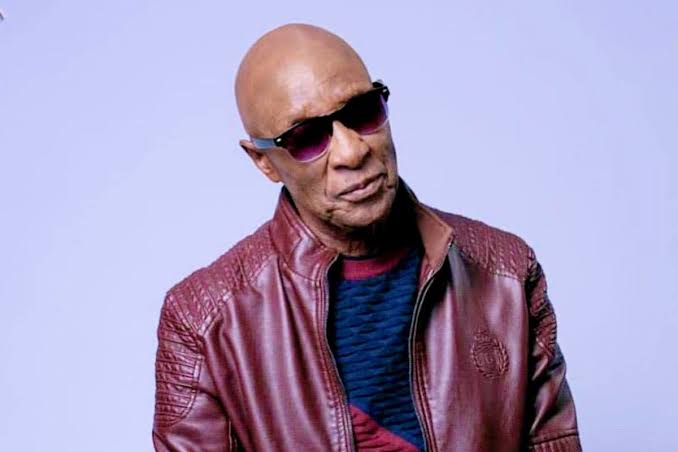
JOHANNESBURG — South African music legend Babsy Mlangeni, whose distinctive voice carried songs such as Sala Emma, Umngane Wami and Hekele Heke across generations, has died at the age of 83.

Mlangeni’s family confirmed that the veteran musician died on Friday morning at his home in Protea Glen, Soweto.
His death closes a career spanning more than five decades and leaves South Africa without one of the musicians whose work became deeply embedded in the country’s township music tradition.
Born in 1943 in Orlando East, Soweto, Mlangeni was blind from infancy but went on to build a music career that made him a household name. He attended the Athlone School for the Blind in Cape Town, where his musical abilities began taking shape before he entered the recording industry. (musicinafrica.net)
His breakthrough came during the 1970s, when songs including Sala Emma established him as a major recording artist. The track became one of the defining songs of his career and helped introduce his unmistakable vocal style to audiences across South Africa.
Mlangeni’s music crossed between mbaqanga, soul, gospel and traditional influences, giving his recordings an accessibility that helped them endure well beyond the period in which they were released.
He would eventually record dozens of albums during a prolific career, with songs including Umngane Wami, Hekele Heke, Kea O Rata and Sengimdala becoming closely associated with his name.
Beyond commercial success, Mlangeni belonged to a generation of South African artists who built significant careers under apartheid despite severe restrictions on black musicians, limited control over recordings and an industry in which artists frequently struggled to benefit financially from their work.
His longevity was particularly notable. While musical tastes and South Africa’s recording industry changed around him, Mlangeni remained recognisable to audiences who first encountered his music decades ago and to younger listeners who discovered his recordings through parents, radio and digital platforms.
His contribution was formally recognised by the South African Music Awards in 2018 when he received a Lifetime Achievement Award alongside fellow veterans Steve Kekana and Spokes Mashiyane. The honour recognised a career that had by then stretched for almost half a century.
Mlangeni’s blindness also became an important part of a career that challenged assumptions about what artists with disabilities could achieve in South Africa’s entertainment industry. Rather than defining his work, it became part of the wider story of an artist who built his reputation primarily through his voice and songwriting.
His death comes as South Africa continues to lose members of a generation responsible for creating much of the country’s foundational popular music catalogue.
For many listeners, however, Mlangeni’s legacy will be less about awards or the number of records he released than the songs that remained in homes, taxis, radio playlists and family gatherings long after their original release.
Funeral and memorial arrangements had not yet been announced by the family.
Anyone with additional information can contact the press desk at press@townpress.co.za or drop a tip on our annonymous platform https://tips.townpress.co.za/