


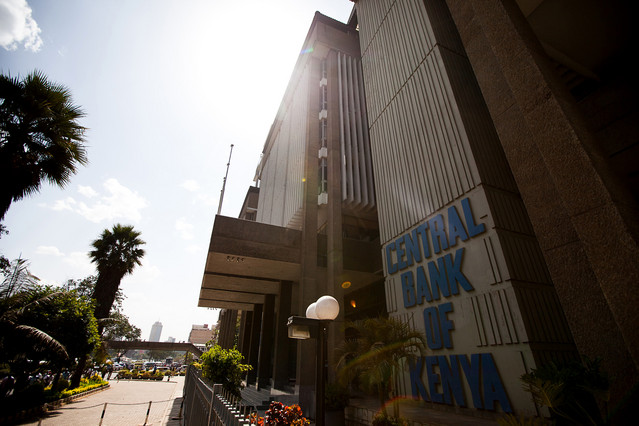
NAIROBI – A Kenyan anti-corruption drive uncovered the equivalent of tens of millions of dollars in unexplained wealth when it retired old banknotes, the central bank said on Wednesday, adding much of the cash appeared to have been gained in “the criminal area”.
The East African nation has a diverse, fast-growing economy, but foreign investors have long complained of widespread graft and weak application of anti-money laundering laws.
On June 1, the central bank set a Sept. 30 deadline for everyone to convert their old 1,000 shillings note, worth about $10, into new ones after it became the banknote of choice for criminals of all types in the East Africa region.
Those exchanging large amounts were required to explain how they acquired the cash. The move was designed to stop the flow of proceeds of crime, like corruption and counterfeiting of bank notes, through the financial sector.
Bank governor Patrick Njoroge said notes worth 7.4 billion shillings ($71.29 million) were not exchanged, rendering the cash invalid and hitting the suspected corrupt owners hard.
“These are people for the most part that maybe had some concerns in terms of going through the checks,” he told a news conference.
The money is equivalent to a quarter of the annual budget of the government’s top hospitals in the country, Njoroge said.
Commercial banks, who processed amounts up to five million shillings, flagged some 3,172 transactions as suspicious and reported them to the authorities during the conversion exercise over the four months.
Njoroge said that information will be used by other investigative agencies, including the tax authority, to uncover more cases of handling of proceeds of crime.

“You have those that didn’t want to pay taxes and were working in the sort of criminal area. Those to begin with have just been taxed the full value of their wealth,” he said.
Very large amounts above five million had to be converted at the central bank.
The process of invalidating the old notes, known as demonetisation, had not resulted in inflationary pressure or weakening of the foreign exchange rate, Njoroge said.
In 2016, India abruptly scrapped high-value currency notes, throwing its cash-based economy into a crisis. Njoroge said Kenya had learned lessons from the chaos in India and that’s why there was a four-month window.
“It cannot be that we glorify people who are involved in crime. It cannot be,” he said.
($1 = 103.8000 Kenyan shillings)












Facebook Comments