
Israel votes, but Netanyahu’s fate rests on more than first place


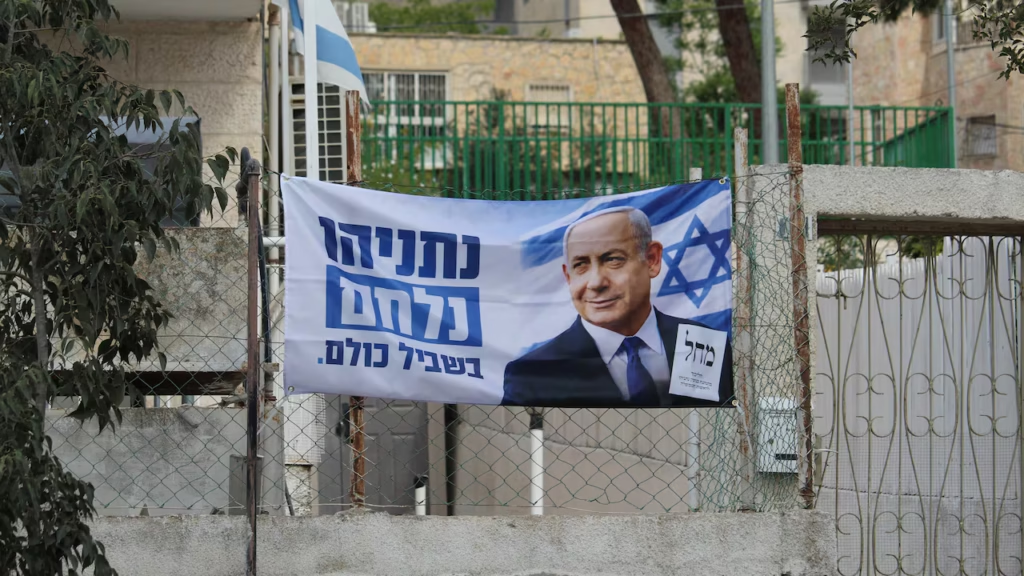
JERUSALEM — Israelis began voting on Tuesday, 27 October, in an election that could leave Benjamin Netanyahu’s future unresolved even if his Likud party finishes first. With neither the prime minister’s camp nor his opponents assured of a parliamentary majority, the decisive contest could be securing enough partners to govern.

About 7.3 million people are eligible to vote in the first general election since the Hamas-led attacks of 7 October 2023. Final opinion polls showed a close race between Netanyahu and former military chief Gadi Eisenkot, whose centrist Yashar party has emerged as a leading challenger.
The battle for 61 seats
Voters are choosing parties for the 120-seat Knesset rather than directly electing a prime minister. Securing a governing majority requires 61 seats, making the performance of smaller parties and their willingness to cooperate crucial to the outcome.
Turnout among Palestinian citizens of Israel and whether smaller parties clear the electoral threshold could affect the balance between the rival camps. Pre-election polling suggested neither bloc would secure a majority, leaving room for negotiations that could reshape alliances after voting ends.
Former prime minister Naftali Bennett, far-right leader Itamar Ben-Gvir and centre-left leader Yair Golan are among the other prominent figures contesting the election. Their parties’ results will help determine which potential coalitions are viable.
War and accountability shape the contest
The campaign has unfolded under the weight of the October 2023 security failures and the wars that followed. Netanyahu has faced criticism over his resistance to an inquiry into the attacks and his support for military-service exemptions for ultra-Orthodox men. Eisenkot has pledged to end those exemptions, an issue sharpened by the demands of prolonged conflict.
The election also carries consequences for Israel’s institutions and its policies towards Palestinians. Netanyahu’s allies have backed settlement expansion and changes to the judiciary, while opposition parties have promised to reverse judicial reforms and establish a state inquiry into the October attacks. Those competing commitments would still depend on the composition of the next coalition.
A change of government would not necessarily produce a fundamental shift on Palestinian statehood. Eisenkot supports ending Hamas’s rule but does not advocate a two-state solution, while cooperation with Arab parties remains a point of contention for potential opposition partners.
Results may begin another round of negotiations
Most polling stations are scheduled to close at 10pm local time, when Israeli broadcasters will release exit polls. These will provide an initial indication of the result, with vote counting following through the night.
A clear parliamentary majority could settle the political direction quickly. Without one, determining who can form a government could take days or weeks, leaving the election-night party rankings as only the beginning of the struggle for power.
Anyone with additional information can contact the press desk at press@townpress.co.za or drop a tip.