Families seek answers 36 years after 1990 Sri Lanka killings


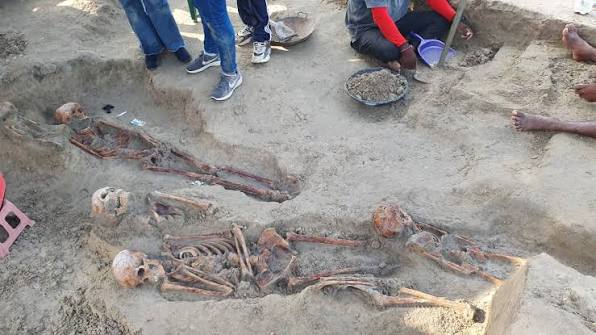
KATTANKUDY — Excavations linked to a mass grave near Kurukkalmadam in eastern Sri Lanka have rekindled hopes of answers for families waiting 36 years after Tamil separatist fighters killed dozens of Muslims in 1990 during the country’s civil war.

Relatives in Kattankudy and nearby communities say the search revives long-suppressed questions around the July 1990 Kurukkalmadam massacre, when Liberation Tigers of Tamil Eelam fighters stopped travellers and killed dozens of people, with casualty estimates ranging from roughly 60 to more than 150. That attack marked a brutal shift from ransom abductions toward targeted killings and preceded the August 1990 mosque attacks in Kattankudy and Eravur that killed at least 300 Muslims.
Survivors and families also recall how violence escalated later in 1990 when the LTTE forcibly expelled tens of thousands of Muslims from Sri Lanka’s Northern Province within days, scattering communities and severing ties that had long linked neighbours. For relatives holding death certificates or searching for missing loved ones, any forensic progress carries deep emotional weight across generations.
Forensic teams and court-ordered searches have faced slow timelines, funding hurdles and uneven follow-through in past inquiries into wartime graves and disappearances across Sri Lanka. Families say credible investigations and dignified identification remain essential if survivors are to find genuine closure and see past atrocities formally acknowledged by the state.
Even where earlier digs struggled to locate remains or where official processes move slowly, relatives stress that keeping the history alive matters for accountability and reconciliation. Many survivors hope honest reckoning with wartime abuses can help communities heal without placing collective blame on ordinary neighbours.
In post-war societies, unresolved graves often leave grief frozen in time when families lack clear facts about what happened to vanished relatives. Transparent forensic work and sustained institutional follow-through help turn painful memories into verified historical truth and lasting public accountability across Sri Lanka.
How can governments ensure wartime mass-grave probes bring genuine answers and closure to families?
Anyone with additional information can contact the press desk at press@townpress.co.za or drop a tip.