Ebola reaches Kenya as DRC deaths exceed 4,200


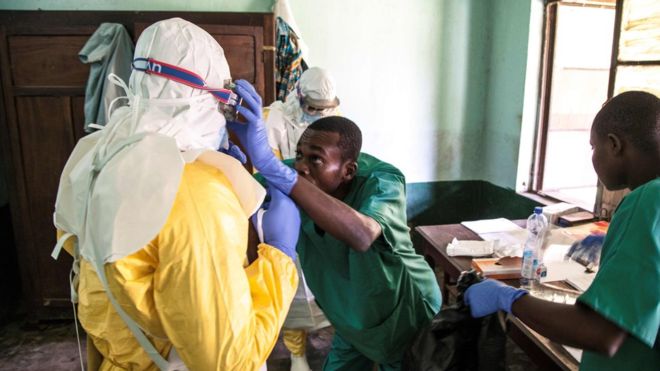
NAIROBI — Kenya is tracing contacts of its first confirmed imported Ebola case after a returning citizen died in Nairobi, while the outbreak in the Democratic Republic of the Congo has expanded into another health zone.

The World Health Organization recorded 8,728 confirmed cases and 4,205 deaths in the DRC as of 6 October. Infections have been identified across 64 health zones in seven provinces, with Ituri remaining the epicentre and North Kivu recording the next-largest number of cases. The latest affected zone, Alimbongo in North Kivu, reported four confirmed infections, including two deaths.
Kenya’s health ministry announced the imported case on 6 October. The patient, a Kenyan citizen who had been living in the DRC, travelled by road to Kampala before flying to Nairobi on 3 October. After arriving, a relative took him to Nairobi Hospital, where he was isolated. Two Kenyan laboratories independently confirmed infection with the Bundibugyo virus, which causes a form of Ebola disease.
The patient died on 5 October, according to WHO. Although he had been unwell for about a month, the organisation cautioned that this unusually long illness history could indicate that he initially had another condition and contracted Ebola while seeking treatment. The timing of his infection remains uncertain.
In its initial response, Kenya’s health ministry identified 28 contacts, including relatives and healthcare workers, and began tracing 23 passengers and four crew members from his flight. Authorities said quarantine arrangements were being made for people considered at risk. Ministry of Health A separate suspected case in Wajir County returned a negative preliminary laboratory result on Thursday, Reuters reported.
The outbreak involves Bundibugyo virus, for which WHO says there is currently no approved vaccine or specific treatment. Control measures therefore depend on identifying infections quickly, providing supportive care, monitoring contacts and preventing exposure in healthcare facilities and during burials.
Ebola spreads through direct contact with infected blood or other bodily fluids, or contaminated materials. People do not transmit the disease before symptoms begin. Early signs, including fever, fatigue and muscle pain, can resemble other illnesses, making laboratory testing essential to confirming infection.
WHO’s latest published assessment places the risk within the DRC at very high and the risk to countries sharing its land borders at high. It assesses the risk to the rest of Africa and globally as low, while a separate assessment for Kenya is underway. The organisation advises against restrictions on travel or trade with affected countries.
Anyone with additional information can contact the press desk at press@townpress.co.za or drop a tip on our annonymous platform https://tips.townpress.co.za/