Eastern DRC fighting forces Ebola evacuations at 12,000 cases


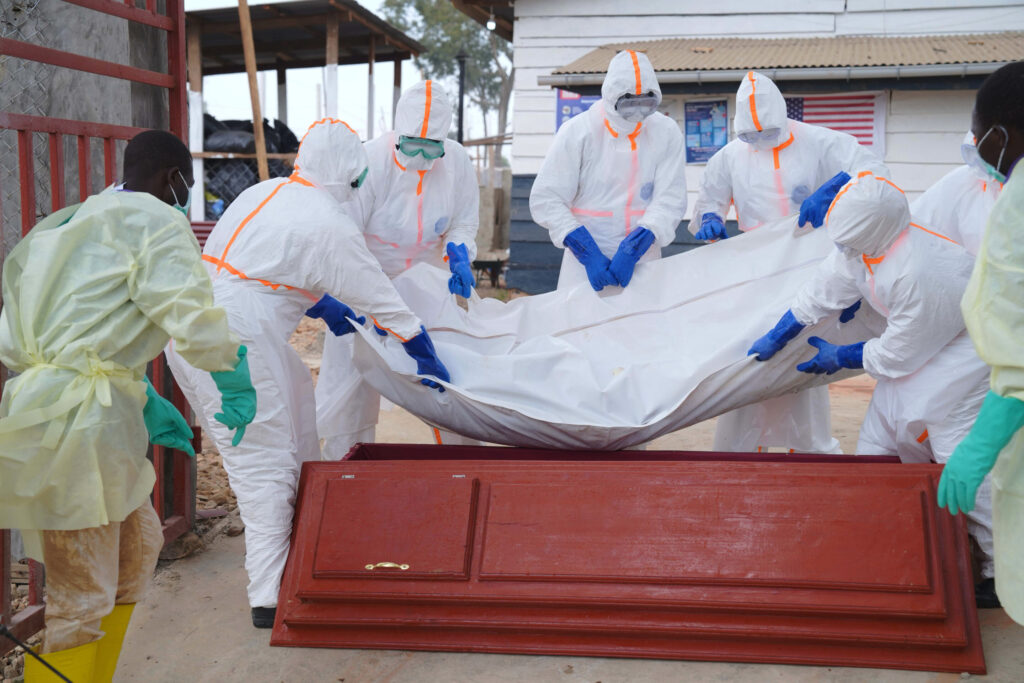
BUNIA — Confirmed Ebola cases in the Democratic Republic of the Congo have surpassed 12,000 as escalating fighting in eastern provinces forces health workers to evacuate and disrupts containment efforts.

Health ministry figures show confirmed infections have reached 12,021 with 5,904 deaths since the outbreak of the Bundibugyo virus strain began in Ituri province in mid-May 2026. The epidemic has spread across eight of the country’s 26 provinces and ranks among the deadliest and fastest-spreading Ebola outbreaks on record, second in scale only to the 2014–2016 West African crisis.
Intensified clashes between government troops and armed groups north of Bunia recently trapped response staff in Akwe for three days before evacuations moved personnel to Bunia. Health agencies warn that active conflict hampers contact tracing, safe burials and treatment delivery when only a small share of new cases comes from known contacts across affected districts.
No approved vaccine or treatment specifically targets the Bundibugyo strain yet, although clinical trials and global dose procurement are expanding alongside cross-protection research. Meanwhile, cross-border cases reported in neighbouring states highlight how unchecked transmission in eastern DRC carries wider regional health risks for surrounding countries and public health networks.
Repeated displacements, damaged clinics and security threats make steady surveillance difficult for local teams and international partners alike. Every evacuation slows case investigation and leaves vulnerable communities with fewer medical options just as infection numbers climb across towns and rural areas.
Families and frontline workers face compounding pressures when armed violence cuts off clinics, supply routes and rapid-response teams. Protecting healthcare staff and restoring safe access remain urgent priorities as authorities work to track hidden transmission chains.
For communities caught between armed conflict and a lethal virus, safe access for medical teams remains essential to breaking transmission chains. Sustained ceasefires, humanitarian corridors and rapid diagnostics are critical if authorities hope to slow infections and protect frontline workers across eastern provinces.
How can health agencies protect frontline responders and slow disease spread during active conflict zones?
Anyone with additional information can contact the press desk at press@townpress.co.za or drop a tip.