


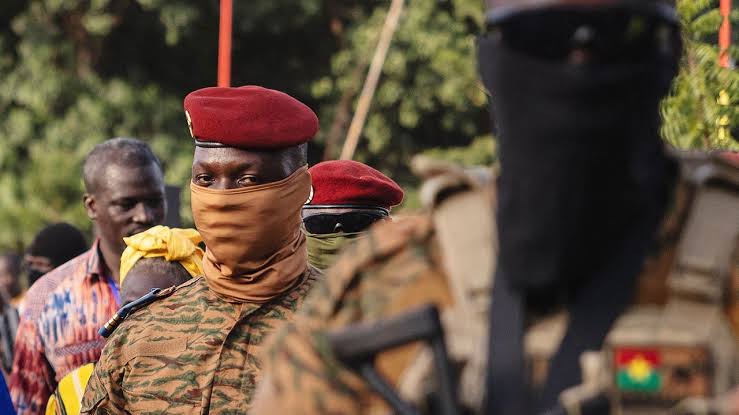
Three years after Captain Ibrahim Traoré seized power, Burkina Faso continues to wrestle with the challenge of asserting national sovereignty while safeguarding basic freedoms. Traoré, who was 37 when he took control, has styled himself as a modern-day revolutionary in the spirit of Thomas Sankara. He promotes anti-imperialism and national pride, driving policies that aim to free the country from external influence. Yet this push for renewal is unfolding in a society where political expression has grown increasingly muted and debate is often replaced by silence.
Redefining the Nation’s Course
Since taking office, Traoré has sought to reposition Burkina Faso on the global stage. He has championed the idea of decolonisation, strengthened ties with new partners and created distance from former colonial powers. This approach has struck a chord not only among Burkinabes but across Africa, where frustrations over foreign dominance remain strong.
In many respects, his leadership reflects the legacy of Sankara. However, while Sankara prioritised social reform, education and grassroots empowerment, Traoré focuses more heavily on discipline, unity and national security. Youth programmes that resemble military training camps and “patriotic immersion” initiatives are designed to build resilience, though they have also sparked questions about whether they stifle political pluralism.
A More Restrained Public Climate
The atmosphere in the capital, Ouagadougou, has shifted noticeably. Political conversations that once shaped public life have given way to discussions of sport, culture and daily routines. Families and communities are described as more cautious, with people thinking carefully about what they say.
This climate extends to the media. International outlets have scaled back operations and local journalists now proceed with extreme caution. The absence of open criticism makes it difficult to gauge public opinion, with pro-government voices heard more often than dissent.
Efforts to Enforce Discipline
Traoré’s administration has introduced civic brigades intended to reinforce social responsibility. Citizens who commit minor infractions may be required to carry out community service, such as cleaning public areas. While presented as a means of instilling discipline, some residents see the practice as more punitive than educational, particularly when images are broadcast on television.
Security Remains the Defining Issue
Burkina Faso’s most pressing challenge is its long-running battle with jihadist groups. Traoré promised to restore security and has made symbolic visits to the frontlines. Authorities say large sections of territory have been retaken.
Independent observers paint a more complicated picture, noting that armed groups linked to al-Qaeda and the Islamic State still maintain influence in many rural areas. Urban centres remain under government control, but civilians in the countryside are often caught between militants and state forces. Balancing military action with respect for human rights remains one of the government’s greatest difficulties.
The Tension Between Unity and Democracy
The ruling authorities argue that traditional democratic structures cannot take priority while the country faces existential threats. Supporters describe this as a necessary step, while critics warn that restricting freedoms could damage the country’s future prospects.

The inevitable comparison with Sankara highlights the contrast between two different eras. Traoré governs in a time of persistent insurgency and geopolitical rivalry, which shapes his choices in ways Sankara never faced. His task is to pursue independence without undermining the pluralism that keeps a society strong.
The Future at a Crossroads
Traoré’s leadership illustrates the delicate balance between security, development and civil liberties. His message of independence resonates with many across the continent, yet the subdued atmosphere within Burkina Faso signals a population reluctant to speak openly.
The future of the country will depend on whether this drive for sovereignty can be transformed into an inclusive project that celebrates diversity, promotes accountability and allows space for free expression. If that balance is struck, Burkina Faso could emerge as an example of resilience in the Sahel. If not, it risks trading one form of dependency for another, where silence replaces external control.











Facebook Comments